NEW THIN HOT PLATE
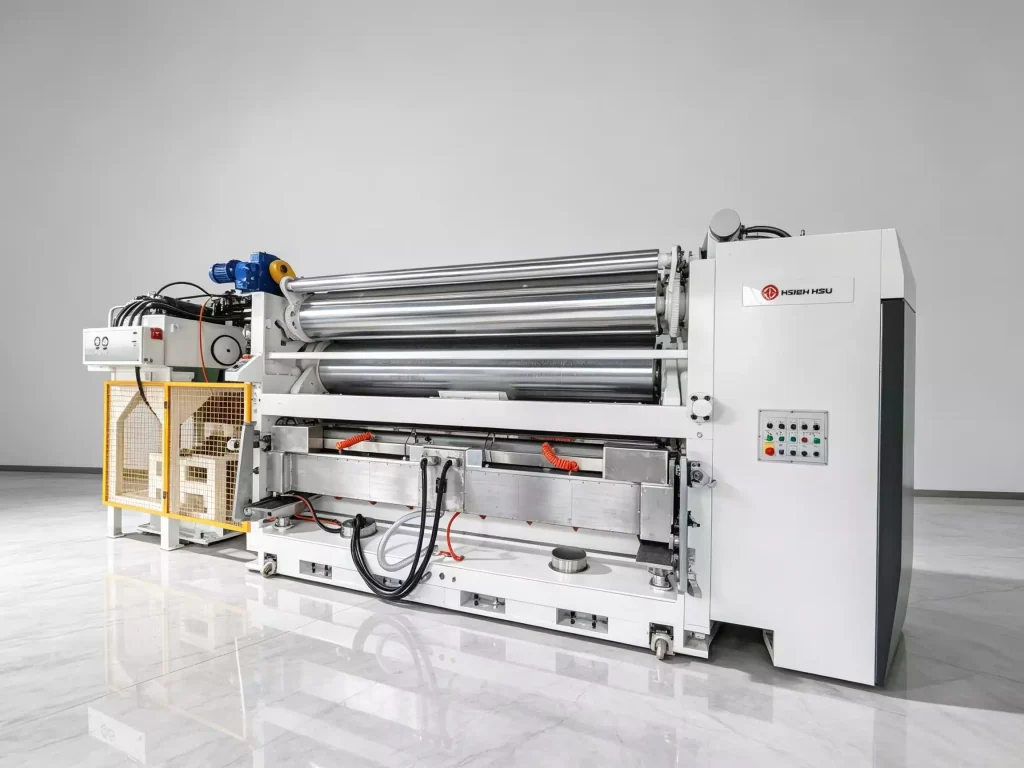
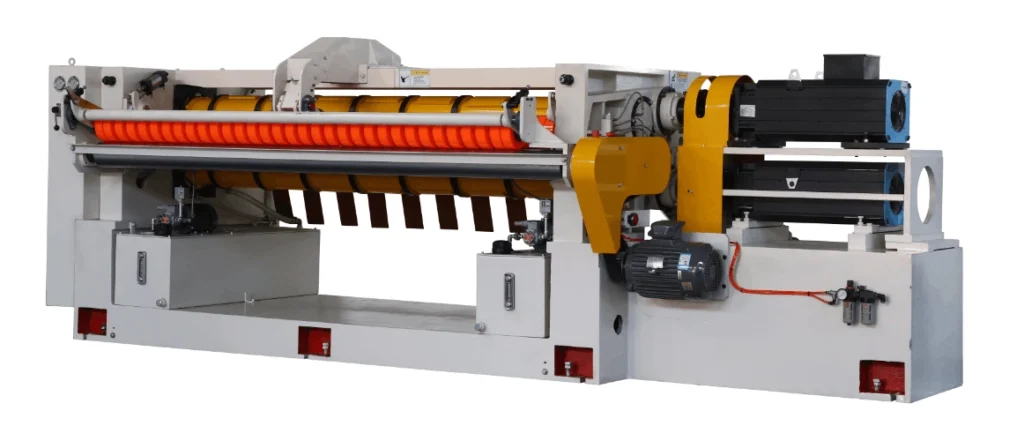
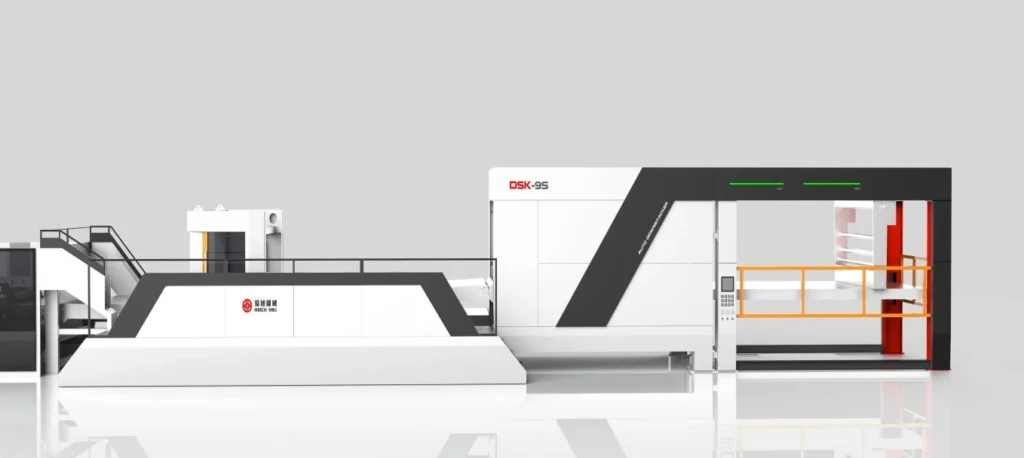
Our thin heating plate is specially designed for corrugated paperboard production lines. It can provide efficient heat transfer and a stable bonding effect during the double-sided forming process. Its optimized structure enhances heat efficiency, reduces energy consumption, and helps produce high-quality corrugated paperboards.
Key Features
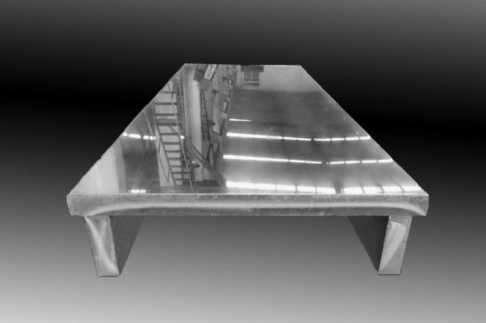
- 65 mm thin hot plate design improves heat transfer efficiency and shortens warm-up time.
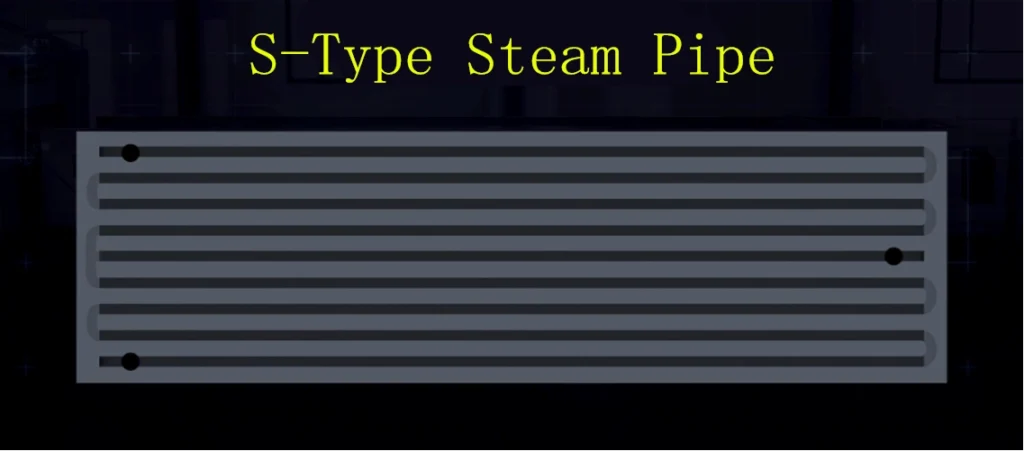
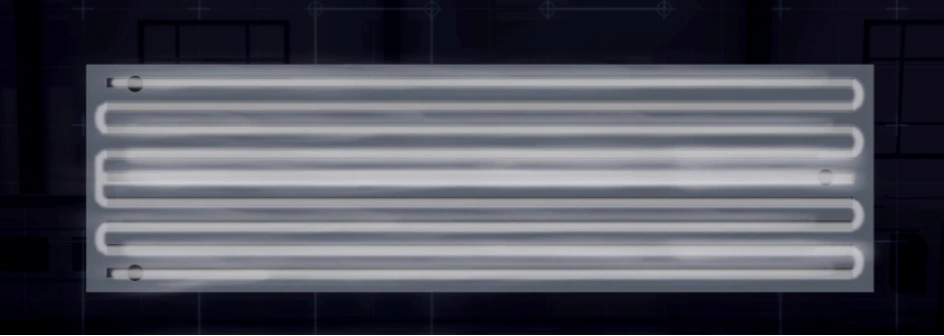
- Innovative S-type steam channel allows saturated steam to circulate rapidly for faster and more uniform heating.
- Up to 40% lower steam consumption compared with traditional hot plates, helping reduce operating costs.
- Faster heat recovery enables the hot plate to restore working temperature in approximately half the time of conventional designs.
- Uniform heat distribution improves bonding quality and supports stable corrugated board production.
- Heavy-duty construction provides reliable performance and long service life.
Why Choose the New Thin Hot Plate?
Faster Heating Performance
Unlike conventional hot plates, which require a larger internal chamber to be heated, the New Thin Hot Plate uses an optimized S-type steam passage. Saturated steam circulates quickly throughout the plate, allowing the surface to reach a stable operating temperature faster and more evenly.
【Profile diagram of New Thin Hot Plate】
Lower Steam Consumption
The compact internal chamber requires significantly less steam while maintaining excellent heating performance. Compared with traditional hot plates, steam consumption can be reduced by up to 40%, improving energy efficiency and lowering production costs.
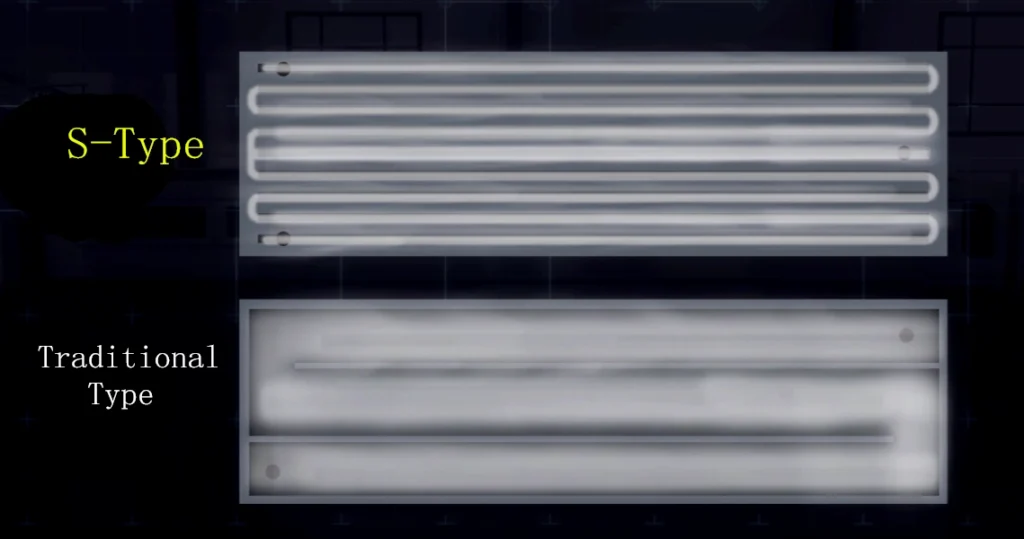
【Comparison of Steam Consumption between Traditional Hot Plate and New Thin Plate】
| Paper Width | Traditional Hot Plate | New Thin Hot Plat | ||
| 1800MM | 55.2 | Kg/hr | 28.7 | Kg/hr |
| 2000MM | 60.6 | Kg/hr | 31.7 | Kg/hr |
| 2200MM | 66 | Kg/hr | 34.7 | Kg/hr |
| 2500MM | 74.3 | Kg/hr | 39.3 | Kg/hr |
Rapid Heat Recovery
The smaller steam chamber allows saturated steam to fill the plate much more quickly than conventional designs. As a result, the New Thin Hot Plate restores heat energy in approximately half the time, ensuring more stable operating temperatures during continuous production.