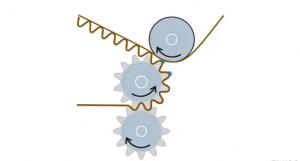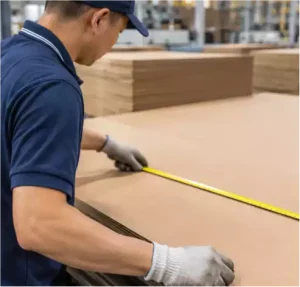
The corrugating rollers play a crucial role in the performance of the corrugating production line. They form the corrugated grooves, giving the corrugated cardboard its structure, strength and buffering properties. Over time, continuous operation, friction, high temperatures, and improper adjustments all affect the surface of the rollers and the contour of the corrugated grooves.
Regular maintenance helps prevent premature wear, maintain stable cardboard quality, and reduce unexpected downtime. For corrugated cardboard manufacturers, a practical maintenance plan should cover multiple key areas, from daily inspections to operation adjustments and regular maintenance.
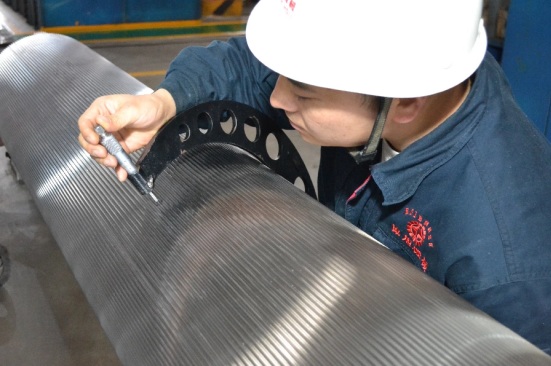
Inspect Corrugating Rolls Before Production
Conducting a quick inspection before the production starts helps to identify and resolve potential issues before they affect the entire production process.
Operators should check if there are any visible scratches, corrugated sharp defects, glue stains, paper debris and other foreign objects on the roller surface. These contaminants can affect the formation of the corrugation or cause additional surface damage during operation.
It is also crucial to inspect the condition of the bearings, lubrication points and related mechanical components. Any abnormal noises, loose connections or signs of oil leakage should be addressed before the production begins.
Paying attention to these details helps to detect signs of wear early and reduces the risk of unexpected equipment failures.
Keep Corrugating Rolls Clean
Paper scraps, starch adhesives and other production residues will gradually accumulate on the corrugating rolls. If not cleaned in time, the hardened deposits may affect the formation of the corrugations, interfere with the contact between the paper and the rolls, and increase the risk of surface damage.
To maintain clean roll surfaces:
- Remove paper scraps and adhesive residues regularly.
- Use suitable non-abrasive brushes or cleaning tools.
- Clean suction holes and grooves where applicable to maintain proper vacuum performance.
- Avoid steel brushes, hard scrapers, or other tools that may scratch the roll surface.
Clean the equipment as per the equipment manufacturer’s guidelines. Prior to manual cleaning, make sure that the equipment has been turned off, pressure released, and the rolls cooled. Do not splash cold water on hot rolls; sudden temperature changes may result in thermal shock.
Routine cleaning is especially necessary for plants operating under several shifts or different types of paper.
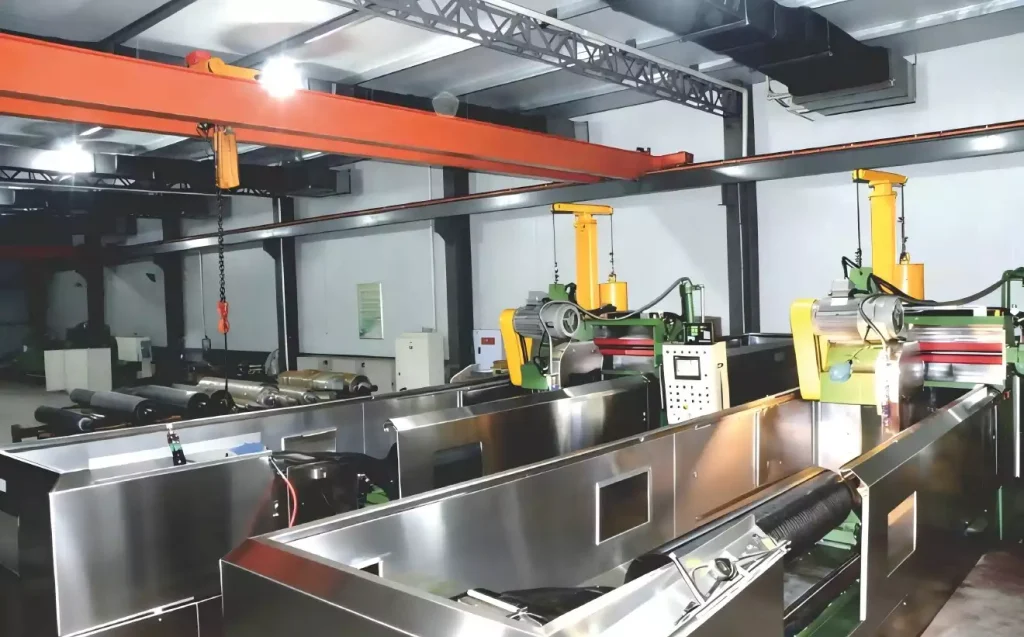
Maintain Proper Pressure and Roll Alignment
Improper pressure and incorrect alignment are two common factors causing uneven wear of the corrugating rolls.
Excessive pressure will increase mechanical stress and accelerate wear, especially when the paper width changes. For example, when switching from wide paper to narrow paper, the pressure on the upper roll may need to be adjusted to avoid unnecessary contact in the areas not covered by the paper.
Operators should also check the parallelism between the upper and lower corrugating rolls. Uneven contact pressure can lead to inconsistent corrugation, local wear and unstable paperboard quality.
A few important practices include:
- Use the minimum effective pressure required for stable flute formation.
- Check pressure settings after changes in paper width or production specifications.
- Inspect roll gaps and parallelism according to the maintenance schedule.
- Check clearances between corrugating rolls, pressure rolls, and other related components.
Correct adjustment helps reduce unnecessary friction while maintaining consistent production conditions.
Monitor Temperature and Lubrication
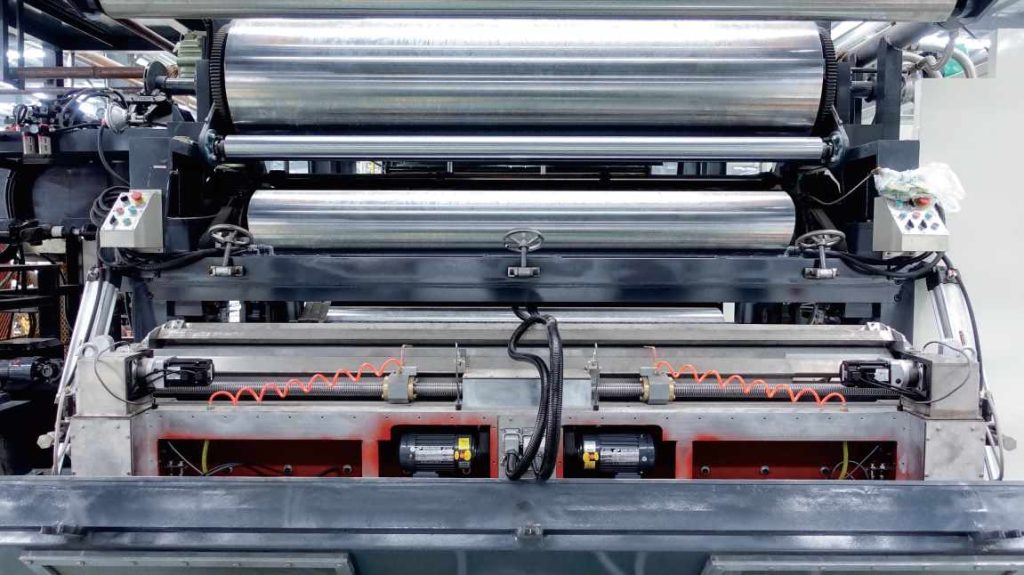
Corrugating rolls operate under elevated temperatures, making proper temperature control and bearing lubrication essential for reliable operation.
Insufficient lubrication can increase friction and cause bearing overheating. On the other hand, excessive lubrication may lead to grease leakage and contamination around mechanical components.
Operators should regularly check lubrication points and use grease suitable for the operating temperature and bearing requirements. Lubrication intervals and quantities should follow the equipment manufacturer’s instructions.
Temperature should also be monitored during production. Unusual temperature increases, vibration, or abnormal noise may indicate bearing problems, lubrication issues, or mechanical misalignment.
Identifying these warning signs early can help prevent more serious damage to the roll assembly.
Follow Proper Shutdown and Maintenance Procedures
Maintenance should not stop when production ends. Proper shutdown procedures are equally important for protecting corrugating rolls.
After production, operators should release the applied pressure according to the machine’s operating procedure. Allowing unnecessary pressure to remain during downtime may increase mechanical stress and create unfavorable contact conditions.
Regular inspections should also cover:
- Roll surface condition and visible wear.
- Flute profile consistency.
- Bearing condition and lubrication performance.
- Abnormal vibration or operating noise.
- Changes in board quality, including crushed flutes and uneven corrugation.
If noticeable wear or damage is found, further inspection may be necessary to determine whether the rolls require professional reconditioning or replacement.
Mechanical adjustments and maintenance work should only be performed by qualified personnel following proper machine isolation and safety procedures.
Build a Consistent Corrugating Roll Maintenance Routine
A maintenance schedule makes it easier for operators to identify developing problems and keep equipment in good working condition.
The following checklist can serve as a general reference. Actual inspection intervals should be adjusted according to machine design, production conditions, and manufacturer recommendations.
| Maintenance Frequency | Recommended Checks |
| Daily / Each Shift | Inspect roll surfaces, remove contamination, check operating conditions |
| After Paper Changes | Verify loading pressure and relevant machine settings |
| Weekly | Check roll alignment, clearances, and bearing condition |
| Periodically | Inspect flute profiles, measure wear, and review maintenance records |
Keeping maintenance records is equally important. Recording operating hours or production length, paper grades, maintenance activities, and unusual operating conditions helps identify recurring problems and supports better maintenance planning.
Keep Corrugating Rolls Performing Consistently
Extending corrugating roll service life requires more than occasional cleaning or repairs. Proper pressure adjustment, consistent lubrication, effective cleaning, and timely inspections all contribute to stable roll performance.
For corrugated board manufacturers, these practices help protect critical machine components while maintaining consistent flute quality and production efficiency. Combined with precision-manufactured corrugating equipment and proper operating procedures, a well-planned maintenance routine supports reliable long-term production.
Explore Hsieh Hsu’s corrugating machinery solutions to learn more about equipment for corrugated board manufacturing.