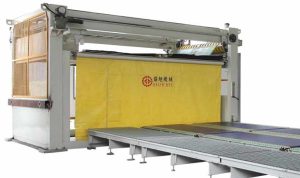
Corrugated board is one of the most widely used raw materials in the e-commerce and industrial packaging industries due to its high strength, light weight, and recyclability.
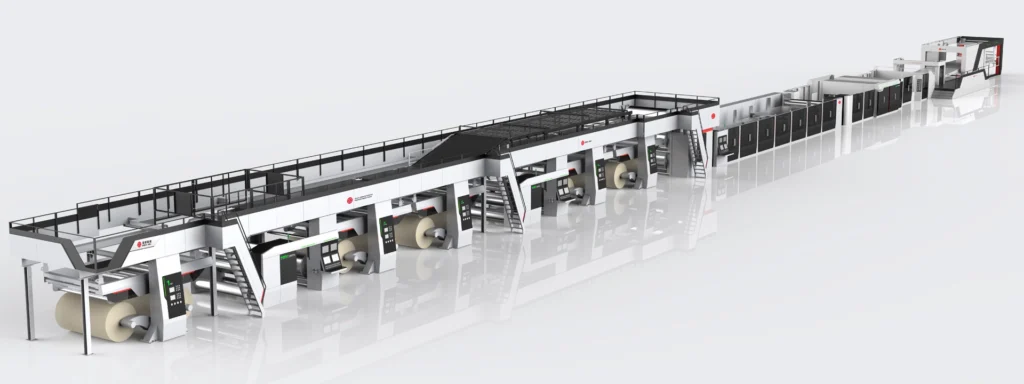
However, high-quality corrugated board is not simply made by stacking multiple layers of paper. From the production of paper rolls, the forming of corrugations, bonding, drying, and cutting, each step requires strict control to ensure the strength and dimensional stability of the cardboard. This article will comprehensively introduce the complete production process of corrugated board from raw paper to final cutting, explain the core equipment of the production line, and share some practical tips for ensuring product quality.
What Materials Are Used to Make Corrugated Board?
Before entering the production line, it’s helpful to understand the materials that make corrugated board possible. While the manufacturing equipment performs the forming and bonding processes, the quality of the finished board also depends on selecting suitable raw materials.
Linerboard
Linerboard forms the outer surfaces of corrugated board. It provides printability, surface strength, and protection against external impacts. Depending on the application, manufacturers may use kraft liner, test liner, or recycled linerboard with different basis weights.
Corrugating Medium
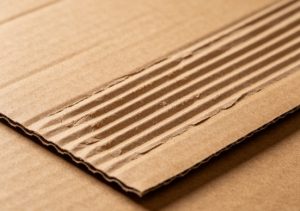
Corrugated board is made from processed base paper and undergoes forming treatment to create a wavy core. This unique wave pattern structure enables the cardboard to have both excellent buffering performance and compressive strength, while maintaining a lightweight overall material.
Starch Adhesive
Most corrugated board manufacturers use starch-based adhesives to bond the corrugated medium to the linerboard. Proper adhesive formulation and application are essential for achieving strong bonding without excessive glue consumption.
Heat and Steam
Unlike many paper converting processes, corrugated board manufacturing relies heavily on heat and steam. Steam softens the paper fibers before corrugating, while heated plates help cure the adhesive and stabilize the finished board.
Together, these materials create the foundation for producing strong, lightweight, and recyclable corrugated packaging.
How Corrugated Board Is Manufactured
The corrugated board production line of different factories will be equipped with different equipment based on their production capacity and automation level. However, the core manufacturing process of corrugated board is basically the same, and the overall process standards are highly consistent.

Step 1: Preparing the Paper Rolls
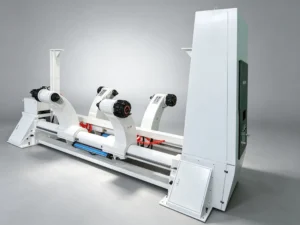
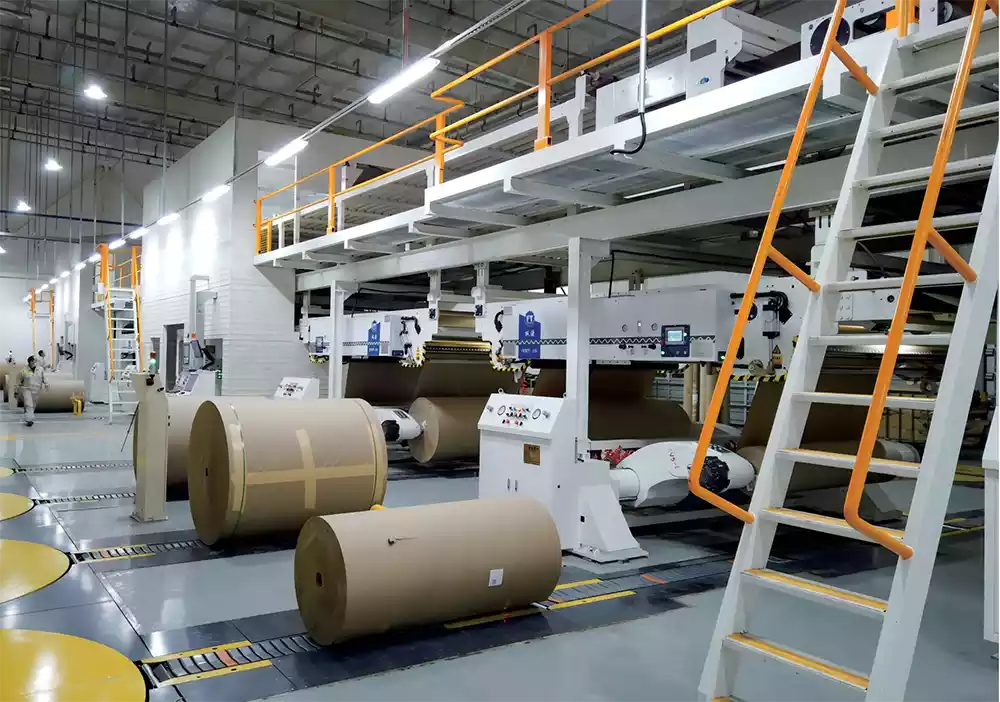
The production process begins with the mill roll stand. The staff install the large-sized surface paper rolls and corrugated core paper rolls onto the production line equipment. Before entering the corrugation forming process, the raw paper will first undergo constant temperature preheating treatment in the preheating equipment. The controllable heating method can evenly balance the moisture and temperature of the paper, soften the paper fibers, and enhance the paper flexibility. This not only makes the subsequent corrugation forming process smoother but also significantly improves the adhesion strength of the paperboard, ensuring the quality of semi-finished products from the very beginning.
Step 2: Forming the Corrugated Flutes
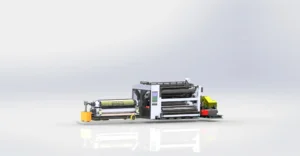
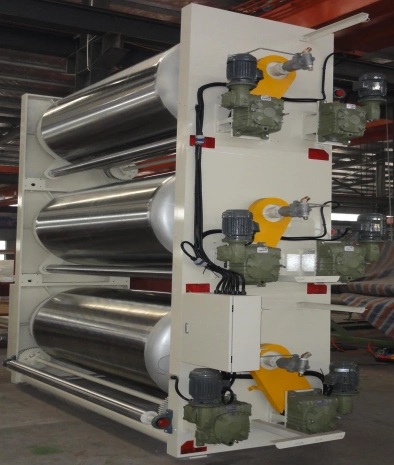
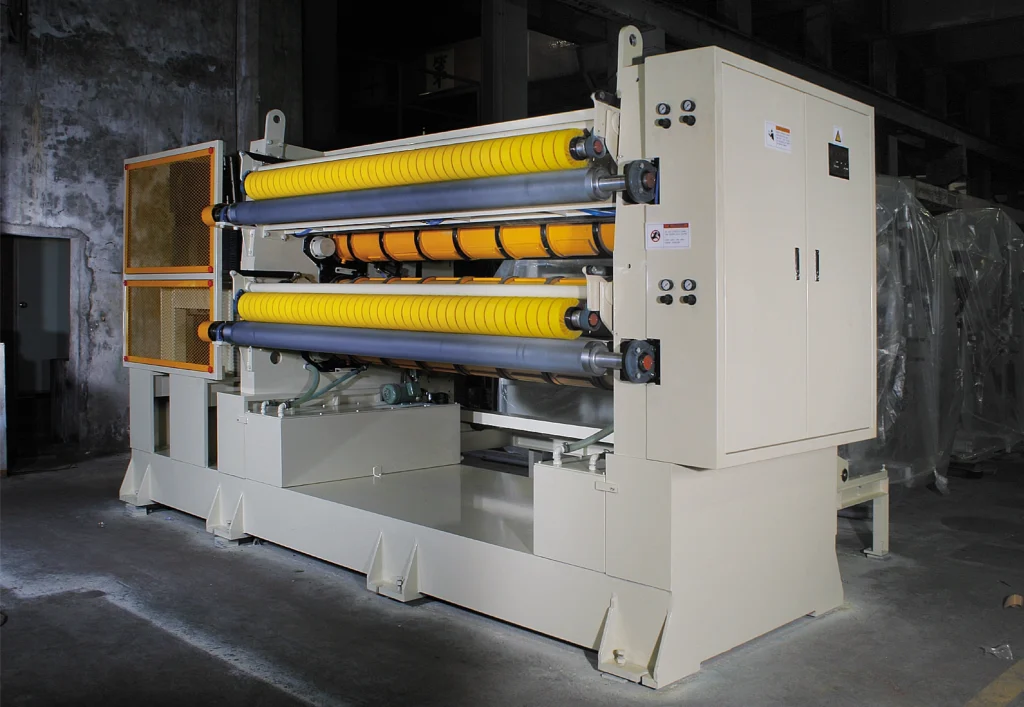
After the preheating process is completed, the corrugating medium will be sent to the single facer, which is the core key equipment of the corrugated cardboard production line. The heating corrugating rollers inside the equipment, under the precise control of temperature and pressure, will press the flat core paper into a continuous and regular wavy corrugated structure. Then, a special adhesive is evenly applied to the top of the corrugation and adheres it tightly to the first layer of paper, finally forming a single-sided corrugated cardboard.
The corrugated model selected for production, including types A, B, C, E, F, etc., will directly determine the buffering and shock absorption performance, stacking compressive strength, and surface printing adaptability of the finished cardboard. It can be flexibly selected according to the packaging requirements of the product.
Step 3: Bonding and Building the Board
The single-face board continues through the bridge conveyor before reaching the glue machine.
Here, adhesive is applied to the exposed flute tips, allowing the second linerboard to be attached. The board then enters the double backer, where heated plates and pressure belts cure the adhesive while maintaining board flatness.
This stage plays a major role in determining bond strength, moisture balance, and overall board quality.
Step 4: Slitting, Cutting, and Stacking
After bonding is complete, the continuous corrugated board passes through the finishing section.
The slitter scorer trims the board to the required width and creates score lines for future box folding. Next, the NC cut-off machine cuts the board into sheets according to programmed production orders with high accuracy.
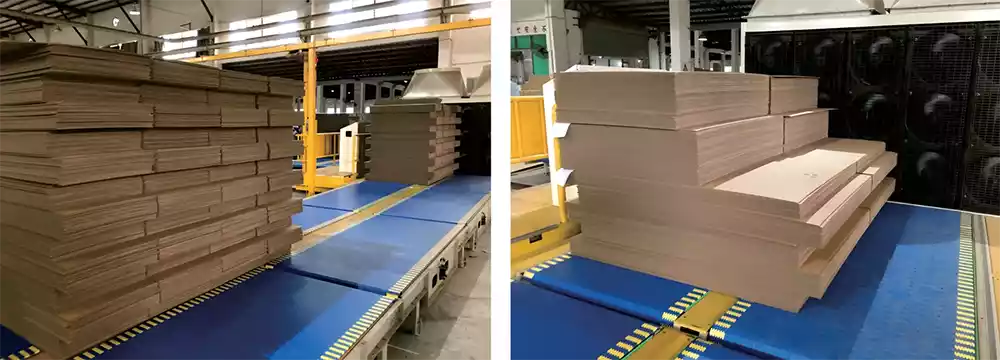
Finally, the finished sheets are automatically stacked, inspected, and prepared for downstream converting processes such as printing, die cutting, and box forming.
Tips for Maintaining Consistent Corrugated Board Quality
Producing high-quality corrugated board requires more than simply operating a production line. Consistent quality depends on controlling multiple process variables throughout manufacturing.
Maintain Stable Paper Moisture
Paper that is too dry or too moist can lead to board warping, poor flute formation, or dimensional instability. Proper storage conditions and effective preheating help maintain balanced moisture levels.
Control Steam Temperature
Steam directly influences paper flexibility and adhesive curing. Stable steam pressure and temperature help produce uniform flutes while reducing production defects.
Apply Adhesive Consistently
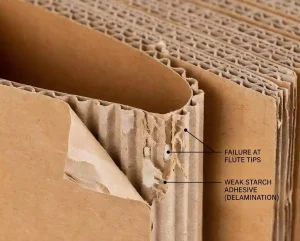
Excess adhesive increases costs and drying time, while insufficient adhesive may cause weak bonding or delamination. Regular calibration of the glue application system helps maintain reliable bond strength.
Inspect Production Equipment Regularly
Corrugating rolls, pressure systems, belts, and cutting equipment should be inspected and maintained regularly. Preventive maintenance minimizes downtime while ensuring consistent product quality throughout long production runs.
Final Thoughts
The high-quality production of corrugated board relies on high-quality raw materials, precise temperature and humidity control, and collaborative operation of production equipment. As a result, it yields sturdy and lightweight packaging materials that are widely suitable for the packaging needs of various industries.
For packaging enterprises that are building new factories or upgrading production capacity, collaborating with professional and mature production line manufacturers can ensure that the equipment is properly configured and operates stably, achieving long-term and reliable production results. Matching equipment to the specific production needs of the enterprise is the key to ensuring stable high-quality corrugated packaging output and strengthening the core competitiveness of the industry.