Buying a corrugator line is not a decision you get to make twice a year. It’s a commitment of capital, floor space, and production capacity that will shape your factory’s output for the next decade. Choose well, and you gain a reliable engine for growth. Choose poorly, and you’re stuck with a bottleneck — or worse, a machine that never earns back its cost. Let’s break down the factors that actually matter, so you can walk into your next supplier conversation with a clear, confident checklist.
What Is a Corrugator Line?
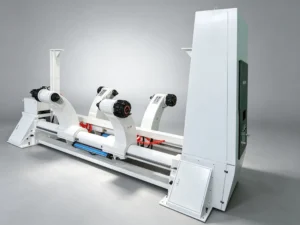
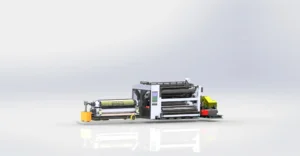
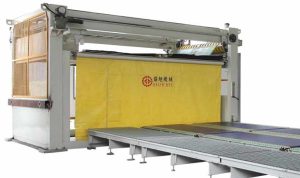
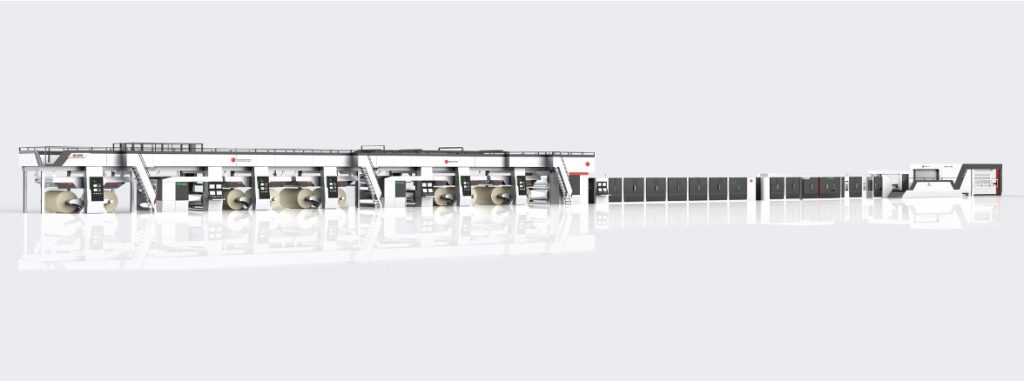
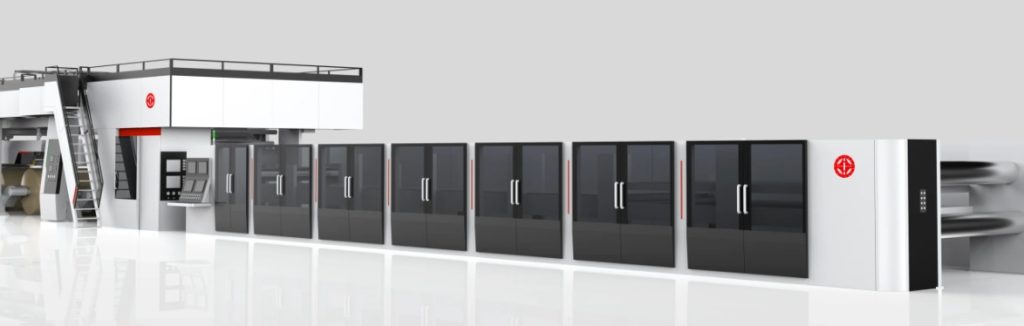
A corrugator line is the production system that turns rolls of kraft paper into finished corrugated board. It is usually divided into two phases: the wet end which is where the paper is heated, shaped and glued into double-face or single-face boards as well as the dry end, which is where the boards are cut into pieces, scored and then stacked into sheets. A typical line runs from 40 to 100 meters and the equipment you select has an impact directly on the layout of your factory, not just the numbers you produce.
Understanding the two-stage structure is crucial since the majority of buying errors occur when factories examine dry-end and wet-end equipment in isolation without determining if both sides actually be running at a similar speed.
Key Factors to Consider Before Choosing a Corrugator Line
1. Production Capacity and Order Volume
Start with your business, not the machine spec sheet. How many tons or square meters do you need to produce per month, today and in three years? Buying more capacity than your order book supports just ties up capital in idle machinery.
2. Line Width and Maximum Speed
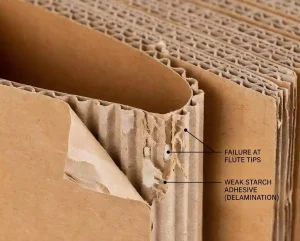
Width and speed are the two hard numbers that define what a corrugator line can physically do, and they’re usually the first specs a supplier will ask you to confirm. A wider deck lets you run larger sheet sizes; higher speed increases daily throughput — but only if your glue quality, paper grade, and dryer temperature can keep up. Industry guidance suggests board quality should be at least Class B paper stock once a line runs above 60 meters per minute, since lower-grade paper simply can’t hold up at high speed.
3. Board Type and Flute Flexibility
Does the line switch between double-wall, single wall, and triple-wall boards without lengthy transition? If your customers’ base includes the packaging of e-commerce sites, shipping containers, as well as displays that are specially designed, versatility across flute profiles is more important than the raw top speed.
4. Automation and Labor Dependency
Skilled corrugator operators are becoming harder to find and retain across the industry. Lines with adaptive process control — systems that automatically adjust glue application, preheat temperature, and speed based on paper grade — reduce how much output quality depends on one experienced operator’s judgment. That’s a real operational risk factor, not just a nice-to-have feature.
5. Energy Consumption and Operating Cost
The purchase price is only part of the equation. Steam and heat management directly affect your electricity and fuel costs over the life of the machine, and a cheaper line with poor thermal efficiency can cost you more within a few years of operation than a pricier, better-engineered one. Always ask suppliers for energy consumption figures at your target running speed, not just at idle.
6. Factory Layout and Space Constraints
A 100-meter line isn’t going to be able to fit into every building. Before you decide to fall in love with high-speed technology go through the factory floor and verify that the paper feed route as well as the drying section and the area for stacking can actually be able to accommodate it.
New vs. Used vs. Upgraded: Which Makes Sense for You?
| Option | Upfront Cost | Lead Time | Best For |
| New line | Highest | Longest | Factories planning long-term capacity growth or entering new board categories |
| Used line | Lowest | Shortest | Budget-constrained buyers who can accept older automation and shorter remaining service life |
| Upgrade existing line | Moderate | Moderate | Factories with a workable line held back by one weak link (e.g., an outdated single facer or manual stacker) |
Return on investment for a full corrugator line typically lands within three to five years, especially when the new line is replacing manual processes or aging equipment that was already driving up labor and downtime costs.
Manufacturer vs. Trading Company: Who Should You Buy From?
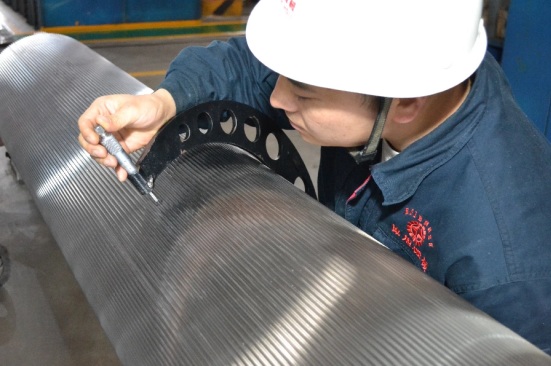
Many buyers don’t realize that some “suppliers” don’t actually manufacture the equipment they sell. Working with the original manufacturer generally means direct control over design, materials, and machining — and a clearer line of accountability when something needs servicing five years down the road. Trading companies may offer competitive pricing by sourcing from multiple factories, but engineering support and long-term parts availability can be inconsistent.
A few quick ways to tell the difference before you sign anything:
- Confirm whether engineering drawings are produced in-house or outsourced.
- Ask to visit the factory, or request a live video walkthrough of production.
- Request references from customers running similar production scales.
A Quick Checklist Before You Request a Quote
Have this ready before you contact any supplier — it will speed up your quote and make comparisons across vendors far easier:
- Target monthly production volume (tons or square meters)
- Required board type: 3-ply, 5-ply, or 7-ply
- Wet end only, dry end only, or complete line
- Available factory floor dimensions
- Budget range
- Desired delivery and installation timeline
Common Mistakes When Selecting a Corrugator Line
Chasing top speed without matching demand. A factory that buys a 300-meter-per-minute line to fill orders that could run comfortably on 150 often ends up carrying excess maintenance and energy costs with no corresponding revenue gain.
Comparing quotes on price alone. Two lines priced similarly can have very different energy efficiency. Over a five-year horizon, the “cheaper” machine sometimes costs more once utility bills are factored in.
Ignoring after-sales support until something breaks. Installation, operator training, and spare parts availability should be part of the initial quote conversation — not an afterthought once the line is already running.
Choosing a corrugator line comes down to matching real production needs — not the most impressive spec sheet — with the right supplier relationship. Once you’ve mapped out your capacity targets, board requirements, and budget using the checklist above, the next step is putting those numbers in front of an engineering team that can turn them into a configuration built for your factory. Explore Hsieh Hsu’s complete range of corrugator equipment or share your production requirements directly with our team for a tailored recommendation.