As corrugated board production becomes faster, efficient downstream handling becomes increasingly important. After sheets leave the corrugator, they need to be separated, aligned, counted, stacked, and discharged for further handling.
A well-designed corrugated board stacker helps keep this process organized and consistent. For high-speed production lines, the right stacking system can also reduce manual handling and help maintain stable production flow.
How Does a Corrugated Board Stacker Work?
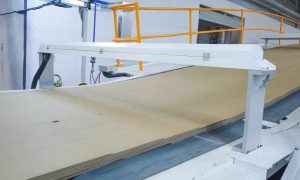
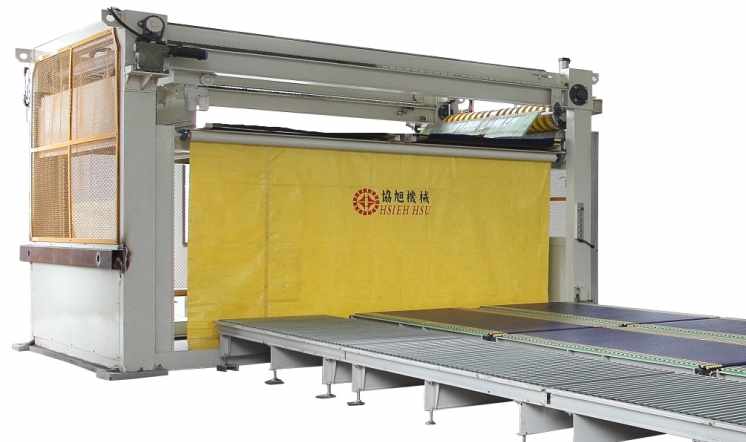
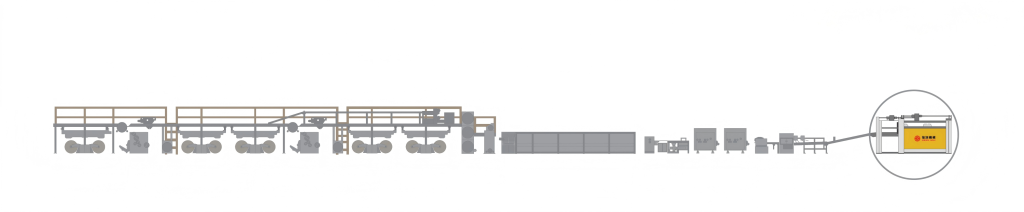
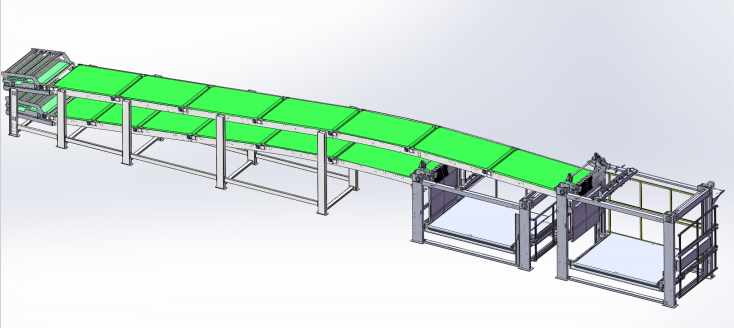
A corrugated board stacker is installed toward the downstream section of a corrugator line. Its main task is to receive finished sheets and form them into organized stacks.
Although the exact configuration varies between machines, the basic process usually includes several stages:
1. Sheet Receiving and Conveying
Finished corrugated sheets enter the stacking section through conveyors. The conveying system needs to maintain a stable speed so that sheets can move continuously without unnecessary gaps or collisions.
2. Sheet Separation and Alignment
Sheets must be properly separated and aligned before they are stacked. This becomes particularly important when the production line is operating at higher speeds or handling different sheet sizes.
3. Counting and Stacking
The system controls the number of sheets going into each stack according to the production requirements. Sheets are then accumulated to form a stable stack at the required height.
4. Stack Discharge
Once a stack reaches the required quantity or height, it is transferred out of the stacking area for removal by operators or other handling equipment.
In simple terms:
Receiving → Conveying → Separating & Aligning → Counting → Stacking → Discharging
The purpose is not simply to pile sheets together. The stacking process needs to maintain speed, alignment, consistency, and reliable handling throughout production.
What Affects Corrugated Board Stacking Efficiency?
Several factors can influence how efficiently a stacker handles corrugated cardboard. These factors are also worth considering when evaluating a stacker for corrugated cardboard production.
Production Speed
The faster the corrugator produces sheets, the more sheets the downstream equipment must handle within a given period.
A stacker therefore needs to match the output of the corrugator rather than becoming a bottleneck after the main production process.
Sheet Size and Length
Corrugated sheets can vary considerably in size and length depending on the customer’s order. Equipment that handles a wider range of sheet specifications can provide greater flexibility for production.
Sheet Separation and Alignment
Poor separation or alignment can lead to uneven stacks. Over time, this may affect subsequent handling and make finished stacks more difficult to move or store.
Consistent sheet positioning is therefore an important part of overall stacking performance.
Stacking Height
The required stack height depends on production and handling requirements. The lifting and stacking system needs sufficient capacity to form stable stacks without compromising operating efficiency.
Changeover Requirements
Corrugated plants often process different orders during the same production period. Frequent changes in sheet dimensions or stacking requirements can affect productivity if adjustments are mainly performed manually.
A stacking system that can handle changes efficiently is particularly useful for plants with varied production schedules.
| Factor | Why It Matters |
| Production speed | Determines how quickly sheets need to be handled |
| Sheet size | Affects conveying and stacking requirements |
| Sheet alignment | Influences stack quality and stability |
| Stack height | Determines lifting and accumulation requirements |
| Order changes | Affects adjustment and production continuity |
How to Improve Corrugated Board Stacking Efficiency
Improving stacking efficiency does not necessarily mean simply increasing machine speed. The entire handling process needs to remain coordinated.
Match the Stacker With Production Output
The stacking system should be capable of handling the output of the corrugator under normal operating conditions. If downstream stacking cannot keep up, production efficiency can be affected even when the corrugator itself is performing well.
Maintain Consistent Sheet Handling
Stable conveying, separation, and alignment help create more uniform stacks. This reduces the need for operators to repeatedly correct sheets by hand.
Reduce Unnecessary Manual Handling
Manual stacking may be practical for low-volume operations, but it becomes increasingly difficult to maintain as production speed and output increase.
An automatic system can take over repetitive handling tasks and allow operators to focus on monitoring the production process and managing finished stacks.
Improve Changeover Efficiency
For plants handling multiple board sizes or orders, efficient adjustment is important. Reducing unnecessary setup and handling time can help maintain production continuity between different jobs.
Keep Stacking and Discharge Continuous
A stacker should not only form a stable stack; it should also move completed stacks out efficiently so that the next batch can continue without unnecessary interruption.
This is where an Automatic Corrugator Downstacker can provide a practical advantage for high-speed corrugated board production.
Looking for a More Efficient Corrugated Board Stacking Solution?
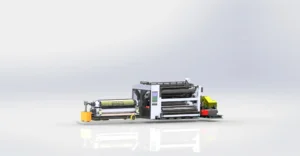
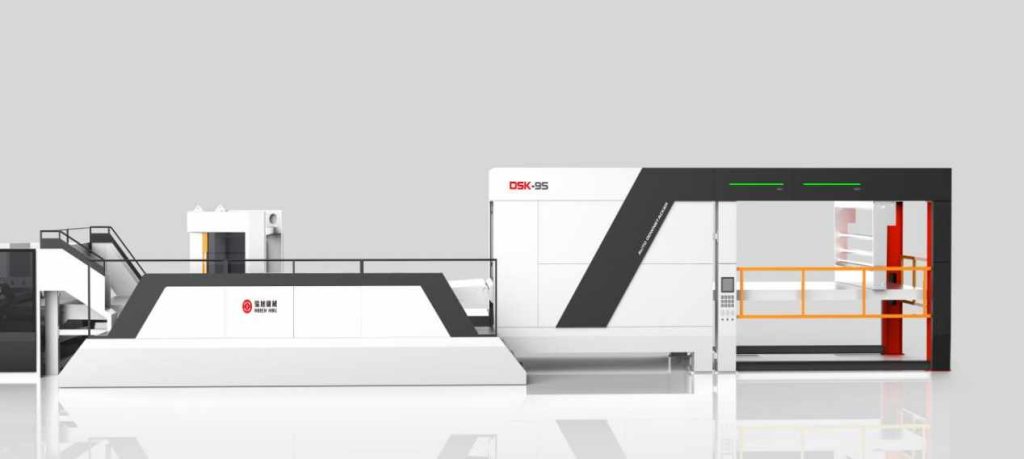
For corrugated board manufacturers looking to improve downstream handling, Hsieh Hsu offers Automatic Corrugator Downstacker solutions designed for automated sheet stacking at the dry end of the corrugator line.
The equipment integrates key operations such as sheet conveying, separation, stacking, and stack discharge to support continuous production.
Depending on production requirements, important considerations can include:
- High-speed operation for demanding corrugator lines
- Automatic sheet separation for consistent stacking
- Controlled conveying to maintain stable sheet movement
- Accurate stacking for organized finished-board stacks
- Single and duplex configurations for different production requirements
- Flexible stacking capacity for different sheet sizes and stack heights
Rather than treating stacking as a separate manual step after corrugation, an automatic downstacker allows the downstream process to work as part of the overall production line.
If your corrugator line is experiencing high manual handling requirements, inconsistent stacks, or downstream bottlenecks, an automatic downstacking solution may be worth considering. Hsieh Hsu can provide a suitable corrugated board stacking solution based on your production speed, sheet specifications, and line configuration.