A single facer is one of the key machines in a corrugator line, where corrugating medium is formed into flutes and bonded to liner paper to produce single-face corrugated board. Because production requirements vary from one plant to another, choosing a single facer corrugated machine should involve more than comparing maximum machine speeds.
Working width, production requirements, flute profiles, corrugating roll configuration, heating and pressure systems, and changeover frequency can all affect which machine configuration is appropriate. For manufacturers planning a new corrugator line or upgrading an existing one, understanding these factors can make it easier to select a corrugator single facer machine that fits the actual production environment.
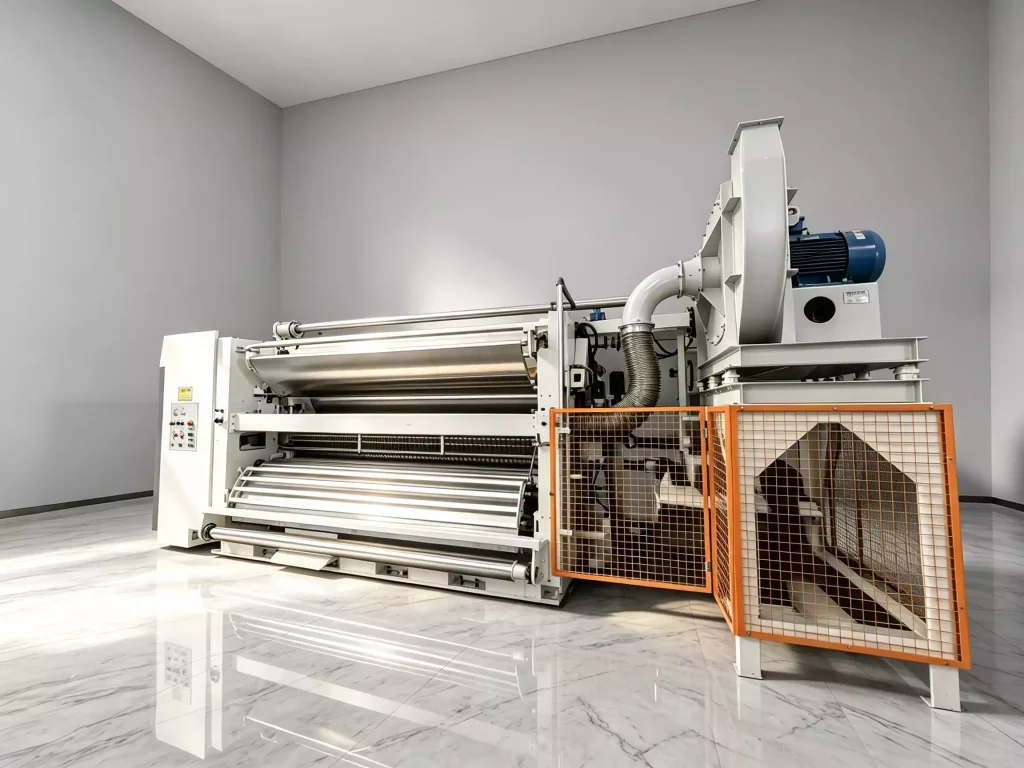
What Is a Single Facer Corrugated Machine?
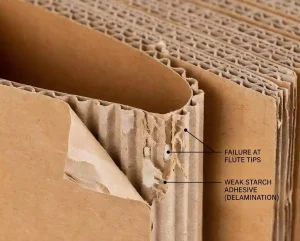
A single facer is the section of a corrugator that forms the corrugating medium into a series of flutes and bonds it to a liner. The corrugating medium passes through corrugating rolls that create the required flute profile. Adhesive is then applied to the flute tips, and the liner is brought into contact with the formed medium under controlled heat and pressure.
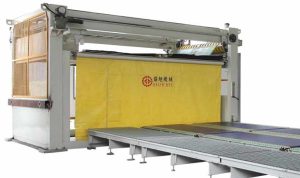
The resulting single-face web continues through the corrugator to the bridge and subsequent processes. In a conventional corrugated board production line, the single facer therefore connects the flute-forming process with the later bonding and board-forming stages.
Because the single facer performs both forming and bonding functions, its configuration needs to match the paper grades, flute profiles, production width, speed, and operating requirements of the corrugator line.

Key Factors to Consider When Choosing a Single Facer
1. Working Width and Production Capacity
Working width should be considered together with the types and sizes of corrugated board you plan to produce. A wider machine can accommodate wider production requirements, but the appropriate width ultimately depends on the overall configuration of the corrugator and the products being manufactured.
Production capacity should also be evaluated realistically rather than based only on a machine’s maximum specification. Paper characteristics, flute profile, operating conditions, and changeover requirements can all influence actual production performance.
Before choosing a machine, consider the typical board widths you run, expected production volume, and whether your future product range may require greater flexibility.
2. Working Speed
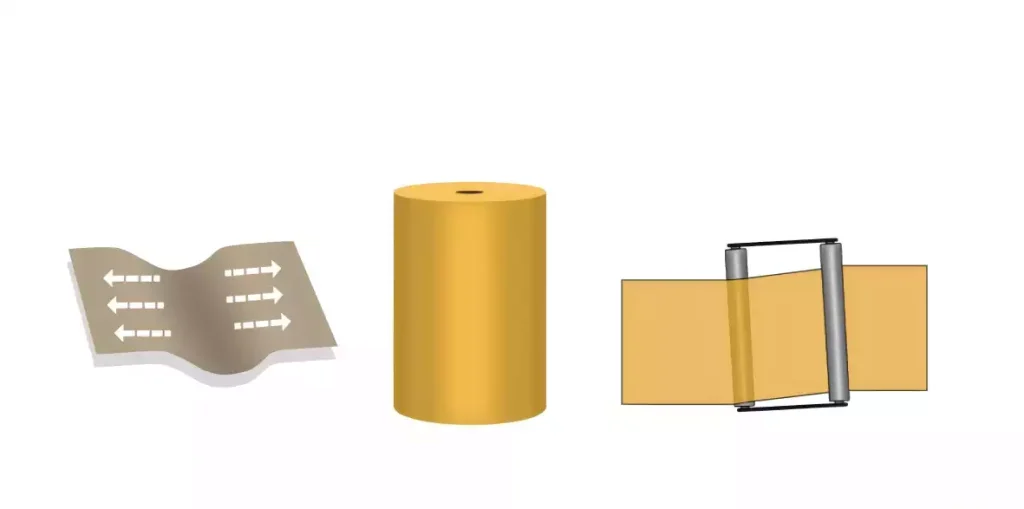
Machine speed is another important consideration, but design speed and actual working speed should not be treated as the same figure.
Design speed represents the maximum speed for which a machine is designed, while working speed refers to the speed at which the machine can operate under particular production conditions. Actual performance can depend on factors such as paper quality, flute profile, web width, heating conditions, adhesive application, and machine stability.
For this reason, a higher advertised speed does not automatically make one single facer a better choice. The more useful question is whether the machine can maintain stable production at the speed required by your normal orders.
3. Flute Profiles
The required flute profiles should be considered before selecting a single facer. Common corrugated flute profiles include A, B, C, E, and F, although the actual profile dimensions can vary depending on the corrugating roll design and manufacturer.
Different flute profiles serve different board requirements. Larger flutes generally provide different structural characteristics from finer microflutes, so a plant producing several types of corrugated board may need greater flexibility than a plant focused on a limited range of products.
The key question is therefore:
How many flute profiles does your production require, and how often do you need to change between them?
If production is highly standardized, a fixed configuration may be sufficient. If orders frequently switch between flute profiles, changeover capability becomes much more important.
4. Corrugating Roll Configuration
Corrugating rolls determine the flute profile formed in the medium, making their configuration a fundamental part of a single facer.
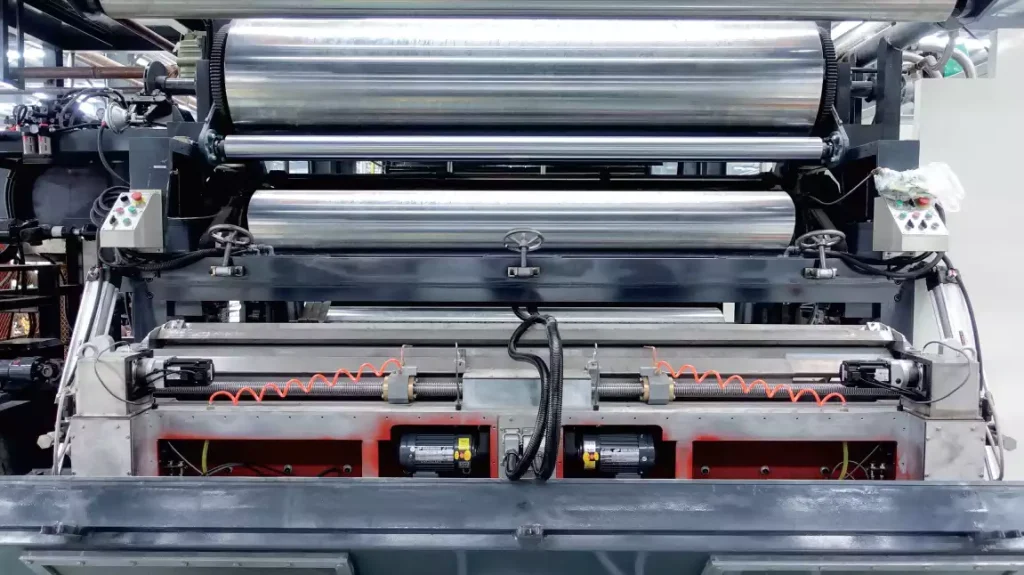
When evaluating a machine, consider the roll configuration, applicable flute profiles, roll construction, and the way rolls are changed or maintained. The condition and precision of corrugating rolls also matter because worn or damaged rolls can affect flute formation and operating stability.
FEFCO notes that changes in flute profile are accomplished by changing the corrugating rolls. This makes roll configuration particularly relevant for plants that manufacture different types of corrugated board.
Rather than focusing on one specification in isolation, evaluate whether the roll configuration matches your current products and anticipated production needs.
5. Heating and Pressure System
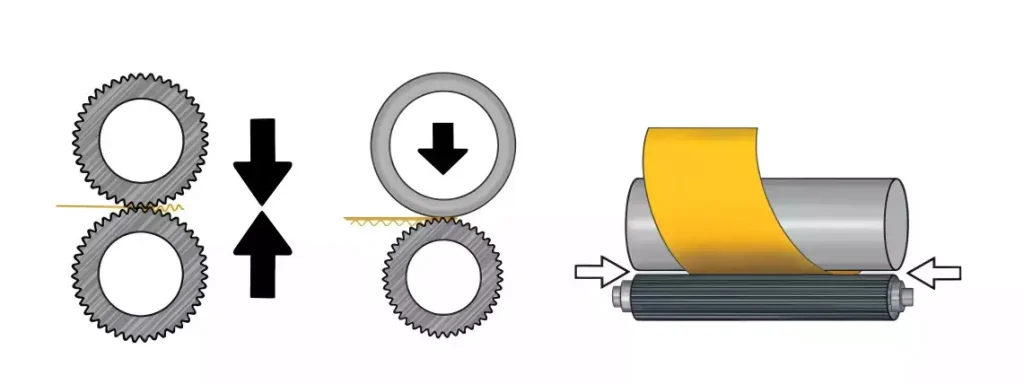
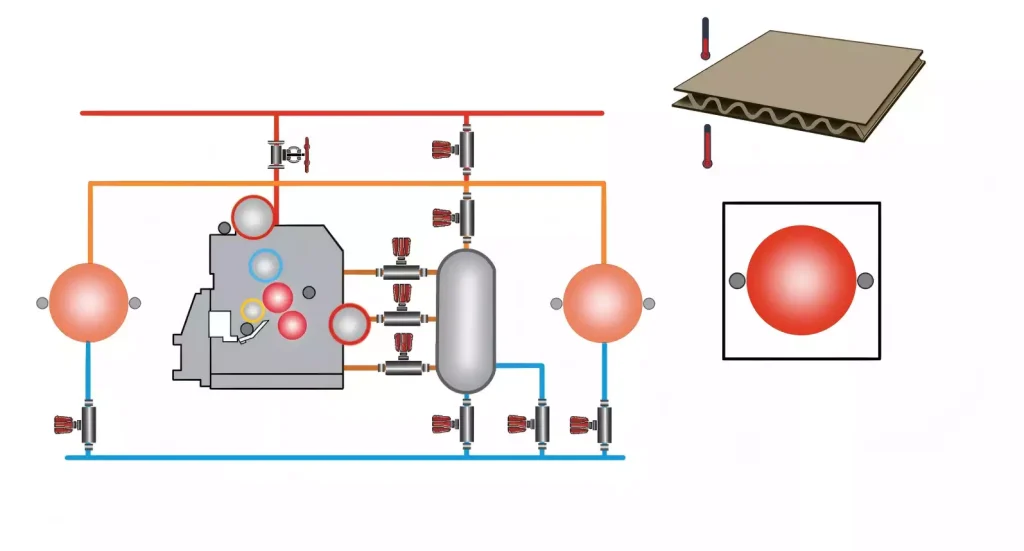
Heat and pressure are essential to the forming and bonding process. The corrugating medium needs appropriate conditioning for flute formation, while pressure helps maintain contact between the formed medium and liner during bonding.
When comparing machines, look at how heating is integrated into the system and how pressure is applied and controlled. The goal is not simply to select the machine with the highest pressure or temperature specification, but to ensure that the system is appropriate for the paper grades, flute profiles, and operating speeds used by your corrugator line.
A well-matched heating and pressure system can help support stable forming and bonding under normal production conditions.
6. Vacuum-Assisted vs. Positive Pressure Design
Single facer designs can use different methods to control the medium during flute forming. Vacuum-assisted systems use suction to help hold the medium against the corrugating roll, while positive-pressure designs use controlled air pressure for the same general purpose of maintaining contact during forming.
Neither approach should be considered universally superior. The appropriate choice depends on the machine design, production requirements, flute configuration, and operating conditions.
When comparing the two, focus on practical factors such as flute-forming stability, pressure control, maintenance requirements, and compatibility with the intended production range rather than choosing based on the pressure method alone.
Cassette Single Facer vs. Traditional Single Facer
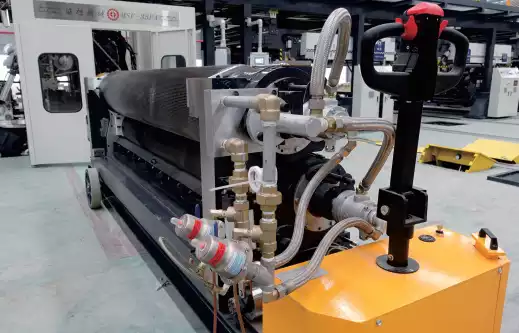
The choice between a cassette and traditional or fixed single facer should be based on production requirements rather than the assumption that one design is always better.
| Factor | Traditional / Fixed Single Facer | Cassette Single Facer |
| Initial investment | Generally lower | Generally higher |
| Flute changeover | More involved | Faster and more convenient |
| Production flexibility | Suitable for standardized production | Better suited to frequent changes |
| Multiple flute production | Possible, depending on configuration | Particularly suitable |
| Changeover downtime | More significant when rolls must be changed | Reduced through cassette changeover |
| Best suited for | Stable, relatively consistent production | High-mix or frequently changing production |
Selection recommendation: A traditional single facer can be a practical choice when production is relatively standardized and flute changes are infrequent. A cassette single facer becomes more attractive when a plant frequently changes flute profiles, produces a wider variety of orders, or places a high value on minimizing changeover downtime.
The higher initial investment of a cassette system should therefore be evaluated against the expected production flexibility and frequency of changeovers.
How to Match a Single Facer With Your Corrugator Line
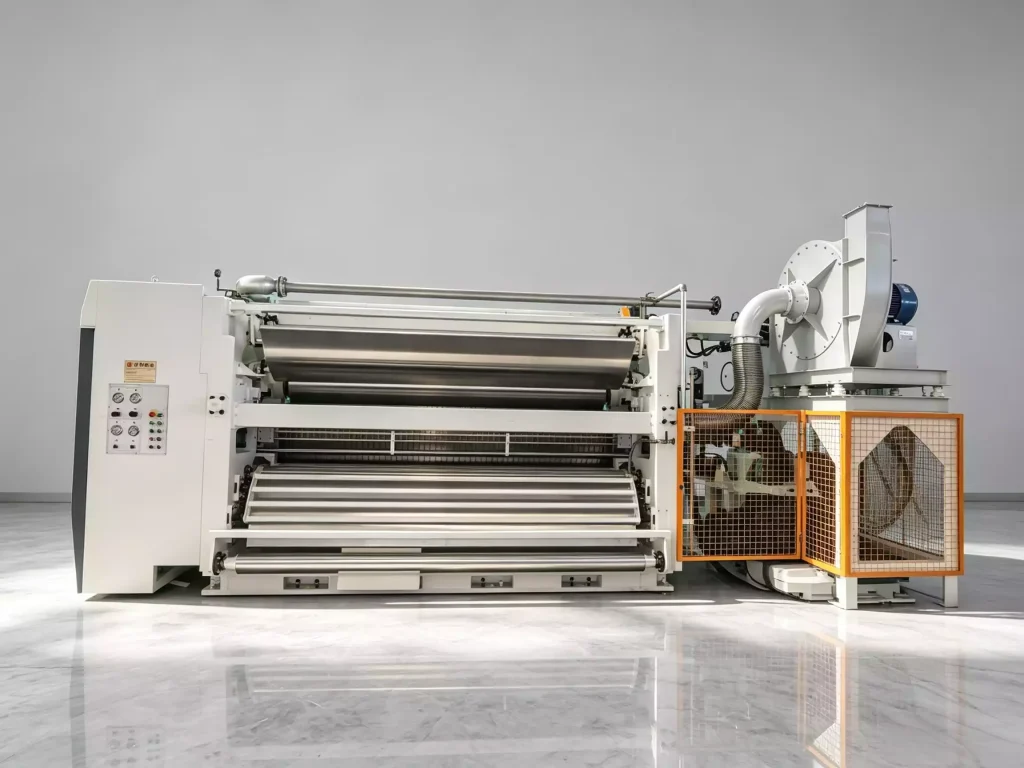
The right single facer should be selected as part of the complete corrugator system rather than as an isolated machine.
| Production Requirement | What to Prioritize |
| High production volume | Suitable working width, stable working speed, and reliable operation |
| Multiple flute profiles | Flexible roll configuration and cassette capability |
| Frequent flute changes | Quick-change cassette design |
| Standardized production | Stable configuration with appropriate capacity |
| Wide range of board sizes | Working width that matches the product range |
| Higher-speed production | Machine stability and a roll/heating/pressure system suited to the target speed |
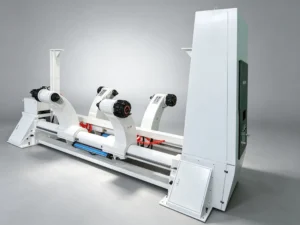
It is also important to consider how the single facer fits with upstream and downstream equipment. The corrugator includes multiple interconnected processes, including reel stands, preheating, single facers, the bridge, double facer, and downstream converting equipment. The single facer should therefore be matched with the capacity and operating requirements of the rest of the line.
For example, selecting a very high-speed single facer does not necessarily improve the overall production rate if other sections of the corrugator cannot operate at a comparable level. A balanced line configuration is generally more useful than maximizing one machine specification.
FAQ
What is a single facer corrugated machine?
A single facer corrugated machine forms corrugating medium into a flute profile and bonds it to liner paper to produce single-face corrugated board. It is an important part of the wet end of a corrugator line.
What does a corrugator single facer machine do?
It heats and forms the corrugating medium through corrugating rolls, applies adhesive to the flute tips, and combines the formed medium with liner paper. The resulting single-face web then moves to the next stages of the corrugator.
What is a cassette single facer?
A cassette single facer uses removable corrugating roll assemblies, or cassettes, to facilitate roll and flute changes. This configuration can provide greater flexibility for plants that frequently switch between different flute profiles.
Is a cassette single facer better than a traditional single facer?
Not necessarily. A cassette single facer is generally more advantageous for production environments with frequent flute changes and diverse orders. A traditional or fixed single facer can be a suitable option when production is more standardized and changeovers are less frequent.