Rearranging a corrugator line in an existing factory is rarely as simple as finding It is not uncommon for changes to be required in terms of the physical placement of a corrugator line in an already built manufacturing facility. In many cases, columns, entry points, already existing equipment, paper storage facilities, and board handling may all serve as limitations as far as options go. Even what seems feasible on paper may end up being impractical.
In the case of replacing machines, adding machines, or upgrading the entire production line, the design should be done considering the existing facility first before considering designing a new factory layout. This will allow you to identify an appropriate design that suits the existing building and factory production needs.
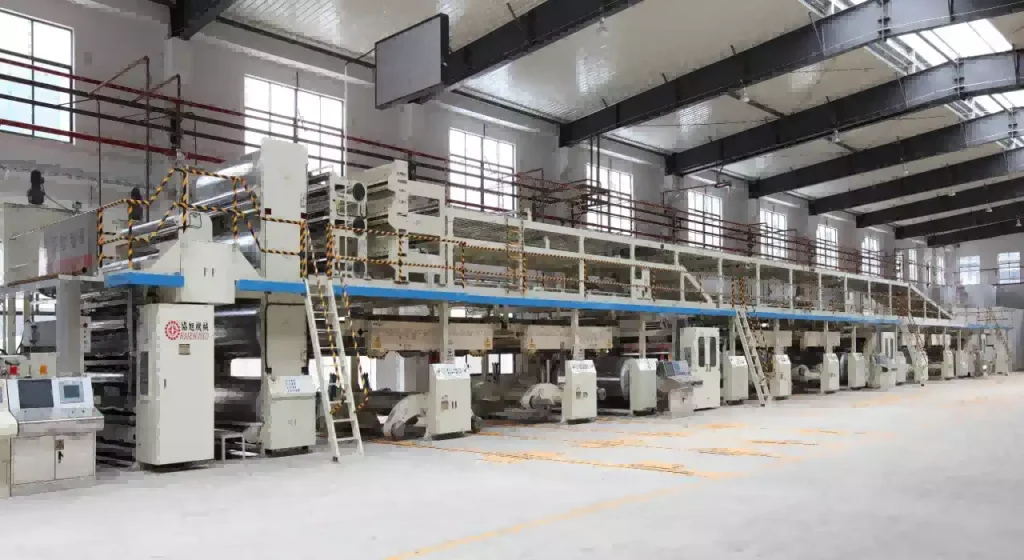
Start with a Survey of the Existing Factory
Before evaluating different layouts, one should acquire precise data on the construction and the equipment that will continue to function in place. The floor plan is an appropriate point to start from, but it should present reality, including the features of the site that cannot be guessed just from its measurements.
Pay particular attention to the following:
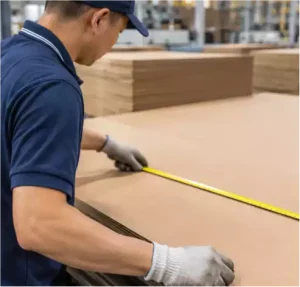
- Building dimensions and restrictions: Measure the usable length and width, ceiling height, column positions, doors, loading access, and fixed structures that may affect machine placement.
- Existing equipment: Record machine dimensions, orientation, connection points, and whether each unit will stay, move, or be replaced.
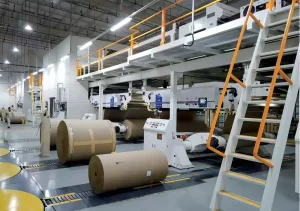
- Storage and handling areas: Identify where paper rolls are stored, where finished board accumulates, and how forklifts or other handling equipment access these areas.
- Installation access: Check how large machine sections will enter the building and whether there is enough room for lifting, positioning, and future component removal.
A large total area of the floor does not automatically imply that there is adequate area for manufacturing activities. The factory may be spacious enough, but the presence of a column, a narrow entrance, or storage areas makes it impossible to install machinery at a certain point.
When you have old plans, it is advisable to measure the critical dimensions of the area on the ground first before developing any design.
Plan Equipment Positioning Around the Production Line
The locations of machines have to be viewed as an integrated system. The size and connections of one portion will influence the room left for another, and thus, those connections must be looked at before making the plan final.
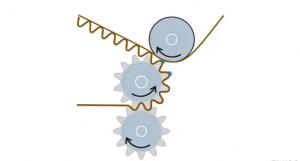
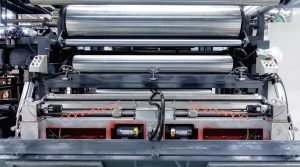
For instance, the Single Facer, bridge, and Double Backer have to be configured depending on the type of equipment that is selected and also on the line layout that will be established. The slitter scorer, cutoff, and stacker components at the dry end must fit the space as well as provide easy operator access.
The exact clearances and connection dimensions should be confirmed using equipment drawings and the manufacturer’s requirements rather than a general rule of thumb.
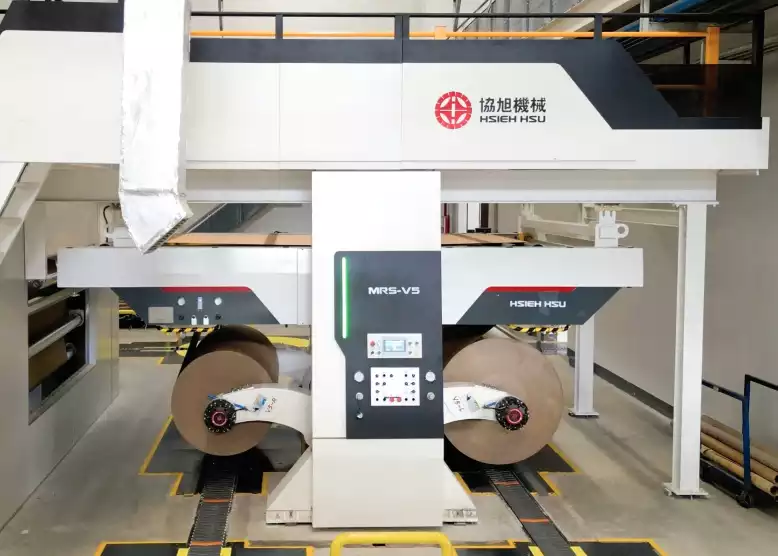
Several practical details deserve attention:
- Paper roll handling: Make sure rolls can be transported to the machine safely without blocking access routes.
- Finished-board stacking: Allow enough room for boards to accumulate and be removed without creating a bottleneck at the end of the line.
- Forklift access: Check turning space and movement routes, particularly where storage areas or building columns restrict access.
- Maintenance access: Consider the space needed to inspect, service, or remove components, not just the footprint required during normal production.
Expansion in the future should also be taken into consideration if extra equipment can be added. But simply leaving an empty space is not sufficient in itself. The expansion proposal should still match the structure of the building, equipment, and the production process.
What to Consider When Replacing or Adding Equipment
The process of upgrading the factory can also be more than just substituting one machine for another. It can have a different size, different interfaces, different processes and even control panels, but even if it does the same thing, it may affect other machines nearby.
Before confirming an upgrade, review these points with the equipment supplier.
Machine dimensions and connections

Confirm the machine footprint, working width, connection positions, and any changes required to adjacent sections. Check whether existing foundations or mounting arrangements can be reused, rather than assuming the new machine will fit the old installation.
Compatibility with the rest of the line
Take into account how the new equipment will integrate with upstream and downstream systems. Increasing the operating speed of one system does not always mean an increase in total output when other systems become bottlenecks. It is necessary to examine the whole line setup.
Utilities and building requirements
Check the availability of electrical power, heating, or steam needs when required, pipe lines, foundations, and other such services at the site. The existing connections may have to be modified or even upgraded. Structural and foundation capacity considerations should be verified by an expert.
Installation sequence and production downtime
Plan out how the existing machinery is to be taken out, how the new machinery will come in and the necessary installation activities that will take place. In case production has to be continued during the implementation process, then the factory and the supplier need to plan out their installation activities in advance.
Room for future changes
If production requirements may increase, consider whether the proposed arrangement leaves practical options for expansion. It is usually easier to evaluate these possibilities while the layout is being developed than after equipment has been installed.
These checks are particularly important when only part of a corrugator line is being replaced. The objective is not simply to make the new machine fit, but to ensure the revised arrangement remains workable. The necessary changes will depend on the existing models, line configuration, and site conditions, so each project needs to be assessed individually.
Review the Layout Before Finalizing the Plan
Before any construction or relocation can begin, discuss the design plan with the people from the factory and with the equipment manufacturer. Using the updated layout diagram, the diagram should indicate the machine’s floor area, connection points, passageways, material handling routes, and the locations of related utilities.
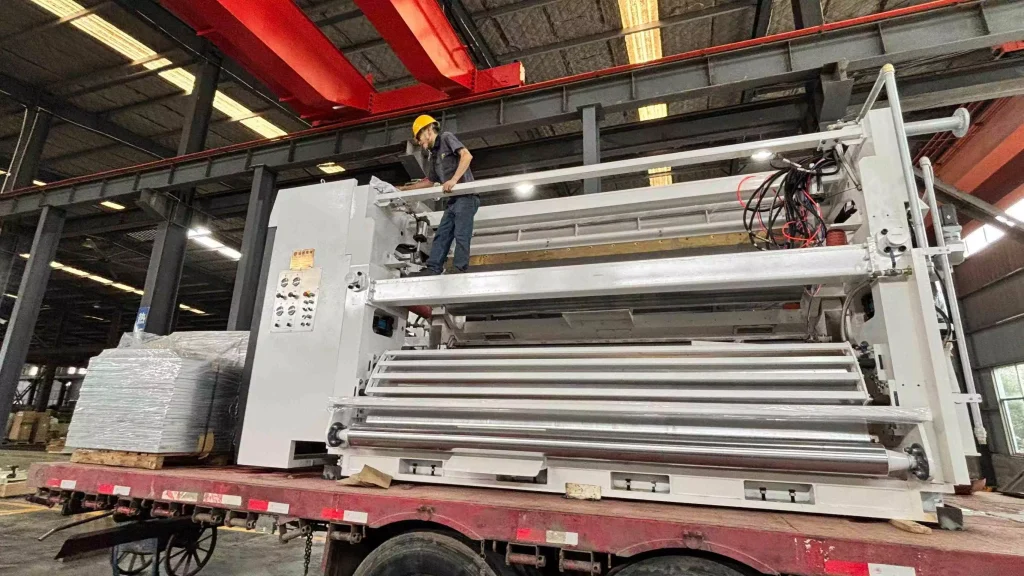
The review should confirm that:
- Key dimensions match the actual site and equipment drawings.
- Operators can reach controls and maintenance personnel can access service points.
- Paper rolls and finished boards can be handled without avoidable obstructions.
- Equipment delivery, lifting arrangements, foundations, and utilities have been considered.
- Any planned expansion is realistic and does not depend on unverified assumptions.
It is also necessary to determine if the suggested layout will be able to go up in the desired order. A machine may fit in its desired location but may be hard to position there when other machines or structures are already located around it.
Answers to these questions could help prevent the need for changes during installation and assist the factory in planning the installation better. Final decisions should be made after an examination of the actual equipment specifications and site conditions.
Make the Existing Space Work for Your Production Goals
Layout planning of a corrugator line at an already established factory requires a combination of the limitations of the existing structure and the demands of the equipment. The thoroughness of the site inspection, along with a preliminary inspection of machine connections, can help avoid problems beforehand.
For those who might be thinking about upgrading their production line or rethinking the layout of the facility, Hsieh Hsu Machinery could give assistance in terms of evaluating the configuration of machines required, along with other information necessary to evaluate an adequate solution.