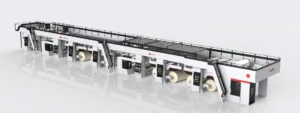
Waste is an unavoidable part of corrugated board manufacturing, but excessive waste can increase material costs, reduce production efficiency, and affect overall profitability. Waste may occur during paper preparation, corrugation, gluing, cutting, machine setup, or unexpected production interruptions.
The key to corrugated board waste reduction is not simply using less paper. Manufacturers need to identify where material is being lost and then improve both the production process and the equipment responsible for maintaining stable production.
Where Does Waste Come From in Corrugated Board Manufacturing?
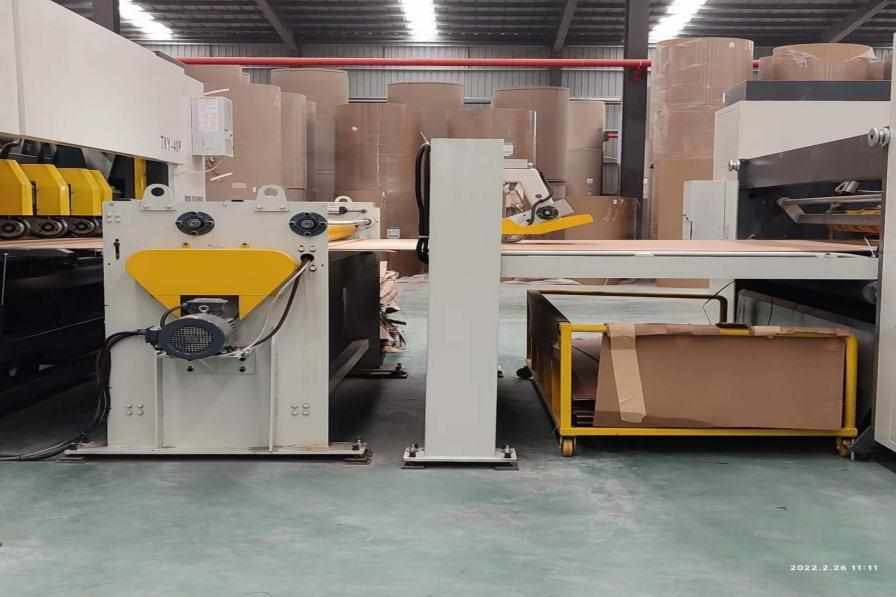
In the production of corrugated cardboard, waste occurs in almost every process. Some of these losses result from insufficient utilization of raw materials, while others stem from improper equipment adjustment, product defects, or unexpected production halts. Identifying the root causes of the losses is essential to distinguish the priorities of the problems and prioritize the rectifications.
Trim Waste
Trim waste is one of the most visible sources of material loss in corrugated board production. It can result from cutting sheets to the required width, removing edges, or producing different board sizes from the same paper web.
Poorly planned paper widths and inaccurate slitting can increase unnecessary trim. When production involves many different sheet dimensions, the accumulated edge waste can become significant.
Reducing trim waste starts with better material utilization and accurate cutting. Production planning should consider paper width, board dimensions, and order requirements before production begins.
Startup and Changeover Waste
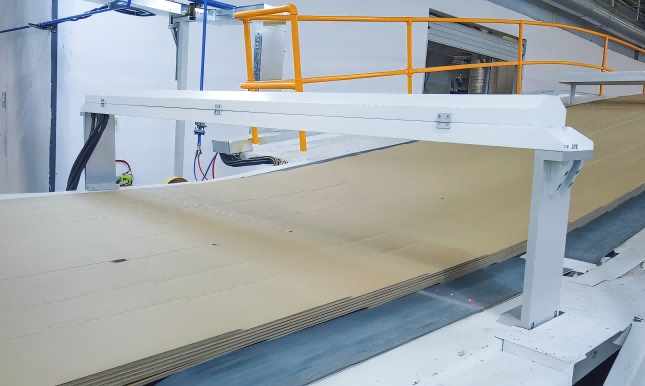
A corrugator does not always produce saleable board immediately after startup or a changeover. Operators may need time to stabilize heating, paper tension, glue application, machine speed, and other production parameters.
Flute changes and paper changes can also generate additional waste. Trial sheets may be required before the machine reaches stable production conditions.
The amount of startup waste can be reduced by standardizing machine settings, using proven production parameters, and improving changeover procedures. Faster and more repeatable setup means fewer sheets are consumed before production reaches the required quality.
Defective Corrugated Board
Defective board is another major source of waste because material that has already passed through several production stages may need to be rejected.
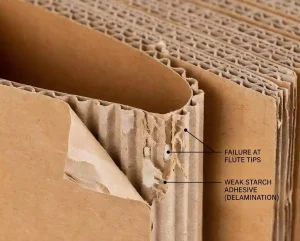
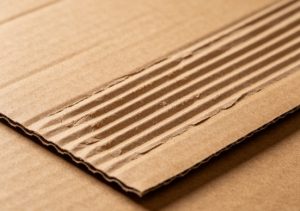
Common defects include poor flute formation, weak bonding, warped board, crushed flutes, inaccurate scoring, and incorrect cutting. These problems can originate from either unstable process conditions or equipment problems.
For example, inconsistent flute formation can affect board quality throughout the production run, while inaccurate scoring or cutting can make otherwise usable board unsuitable for the next packaging process.
Paper Breaks and Production Interruptions
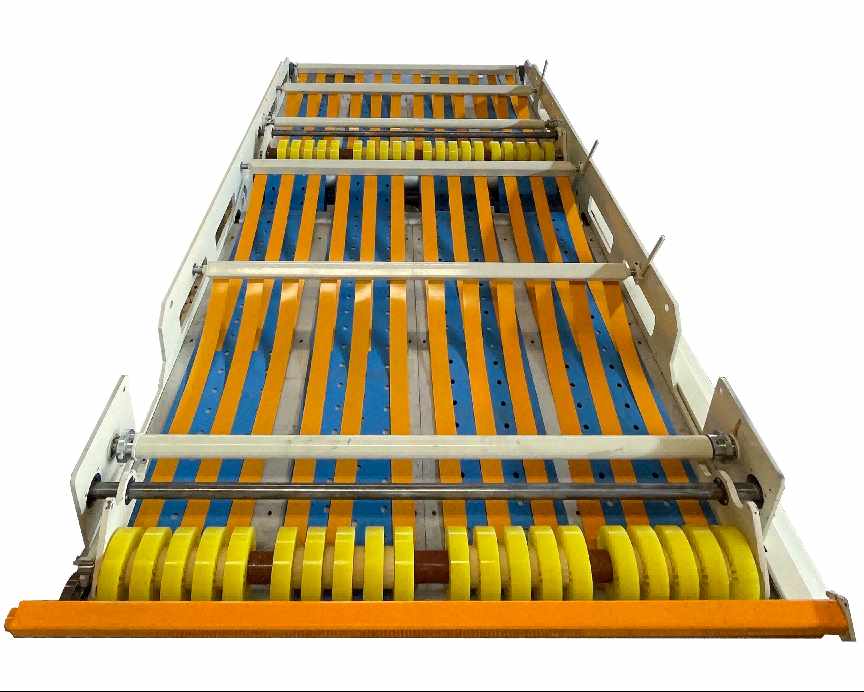
Paper breaks can result in significant waste because production must stop, damaged material may need to be removed, and the line must be restarted.
Excessive paper tension, unsuitable paper conditions, poor alignment, or unstable equipment can contribute to web breaks. Frequent interruptions also create additional startup waste and reduce overall production efficiency.
Reducing paper breaks therefore requires attention to both operating conditions and machine performance.
How to Reduce Waste in Corrugated Manufacturing
Once the main sources of waste have been identified, manufacturers can focus on two areas: improving how the production process is managed and keeping equipment in a condition that supports stable, accurate operation. These two factors are closely connected, since even a well-planned process can generate waste when the machinery cannot maintain consistent performance.
Improve Production Processes to Reduce Waste
Effective waste reduction begins with controlling the production process from the start.
First, improve paper utilization. Paper width and board dimensions should be considered when planning orders so that unnecessary trim is minimized. Where possible, similar orders can be grouped together to reduce paper changes, flute changes, and repeated machine adjustments.
Next, maintain stable production conditions. Paper tension and moisture can affect flute formation, bonding, and the risk of paper breaks. Heating and preheating should also be controlled consistently rather than adjusted repeatedly during production.
Startup and changeover procedures should be standardized as well. Keeping reliable machine parameters for different board specifications can reduce trial sheets and shorten the time required to reach stable production.
Accurate production planning is equally important. Grouping orders with similar paper grades, flute profiles, or dimensions can reduce the number of changes required during a production shift. This does not eliminate setup waste, but it can significantly reduce how often the production line needs to go through the setup process.
Finally, production teams should monitor waste by type rather than treating all waste as one number. Separating trim waste, startup waste, defective board, and paper-break waste makes it easier to identify where the largest losses are occurring.
Improve Equipment Performance to Reduce Waste
Production processes can only be as consistent as the equipment running them. Regular maintenance and accurate machine settings are therefore important not only for preventing breakdowns but also for controlling material waste during normal production.
The corrugating rolls are particularly important because their condition directly affects flute formation. Wear, damage, or improper settings can lead to inconsistent flute profiles, poor bonding, and defective board. Regular inspection and maintenance can help prevent these problems from developing into larger production losses.
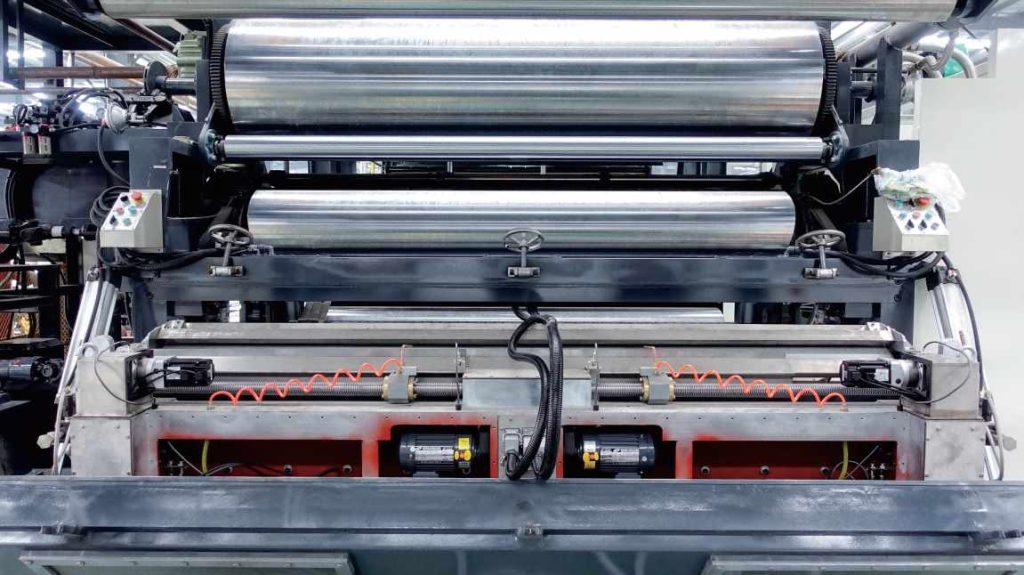
Preheating and gluing systems also need consistent performance. Uneven heating or incorrect glue application can result in poor bonding and rejected board. Maintaining the relevant rollers, settings, and operating conditions helps keep the production process stable.
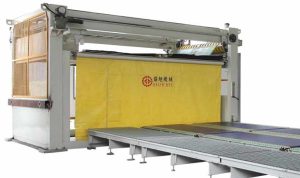
At the dry end, accurate slitting, scoring, and cutting are essential for material utilization. Inaccurate positioning or cutting can produce incorrectly sized sheets and unnecessary trim, even when the corrugated board itself is otherwise acceptable.
Equipment maintenance should therefore focus not only on preventing breakdowns but also on maintaining production accuracy. A machine does not have to stop completely to create waste. Gradual wear, inaccurate settings, or reduced performance can increase the reject rate while the line continues running.
For this reason, manufacturers should combine preventive maintenance with waste monitoring. If a particular machine or production stage consistently produces higher waste, its condition and settings should be checked before the problem becomes more serious.

Reducing waste in corrugated board manufacturing requires attention to both production processes and equipment performance. Trim waste, startup waste, defective board, and paper breaks often have different causes, so a single solution is rarely sufficient.
Better paper utilization, stable production parameters, efficient changeovers, and appropriate production planning can reduce process-related waste. At the same time, well-maintained corrugating, gluing, slitting, scoring, and cutting equipment helps maintain consistent board quality and minimize production losses.
By identifying where waste occurs, measuring it by category, and addressing the underlying process or equipment issue, corrugated manufacturers can improve material utilization without simply sacrificing production speed or board quality.