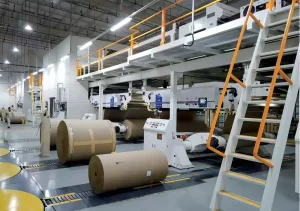
The decision to purchase a production line for the manufacture of corrugated boards is not an easy one for any packaging company. Although purchasing a new production line gives you a chance to purchase machines according to your needs. However, second-hand equipment might be able to increase production capacity or expand the market at a lower cost.
It is not the cost of purchase that decides whether to make a good investment or not; the cost of installation, maintenance, efficiency of production, condition of equipment, and other operating costs all play a role in determining the final profit.
Therefore, whether you should invest in a new line of production of corrugated paperboard or buy second-hand equipment is dependent on several considerations.
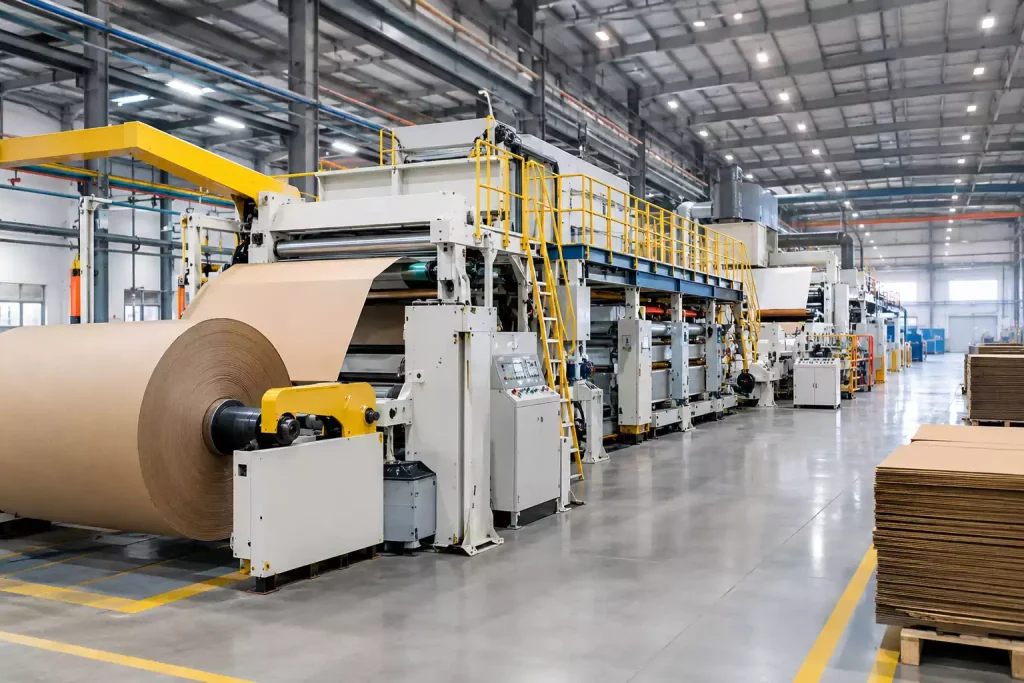
New vs. Used Corrugator Lines: What Should You Know?
However, the main factor that distinguishes new equipment from used equipment is not merely its age. The configuration, maintenance record, condition of components, and availability of technical assistance are factors that can make a difference.
The ability to specify the desired working width, productivity, flute design, automation level, and additional equipment in a new corrugator line is another reason that makes this equipment a good option for those plants that plan to manufacture products for the long term or introduce new product lines.
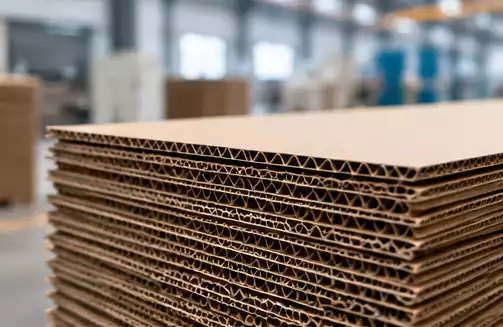
Second-hand machinery will have a lower cost of acquisition, but only where the equipment is in good shape and meets the needs of the factory. It is, however, important for potential buyers to consider the wear and tear, service history, controls, and availability of spare parts.
It is also necessary to make the distinction between used equipment and professionally refurbished machinery. The work of refurbishment can include replacement of worn parts, repair of major assemblies, or even the upgrade of controls, depending on the supplier. Customers must ask for a detailed list of work completed instead of assuming that refurbished equipment will be at the same standard.
Initial Purchase Cost vs. Total Cost of Ownership
Lower purchase cost is not always equal to lower overall investment. TCO consists of the costs related to the acquisition, installation, operation, and maintenance of equipment during the selected period of time.
| Cost factor | New corrugator line | Used equipment |
| Purchase price | Generally higher | Often lower |
| Installation and commissioning | Depends on project scope | May include additional dismantling and reinstallation costs |
| Maintenance | Depends on design and usage | Depends heavily on condition and maintenance history |
| Spare parts | Depends on model and supplier support | Availability may be more challenging for older models |
| Operating costs | Depend on configuration and production conditions | Depend on equipment condition and efficiency |
| Residual value | Depends on depreciation and market demand | Depends on age, condition, and future demand |
While making comparisons in quotes, include freight, unloading, foundations, utilities, electrical installation, commissioning, operator training, and initial spares. In the case of second-hand machinery, include inspection, disassembly, packaging, transportation, maintenance, and upgrading.
The comparative figure would be the expected cost of production of saleable board over the same time period. It is possible that a machine that produces less waste and less downtime can provide greater value despite its higher upfront cost.
Production Efficiency and Board Quality
Production speed is an important specification, but the maximum rated speed does not necessarily reflect the output a factory can achieve in everyday operation.
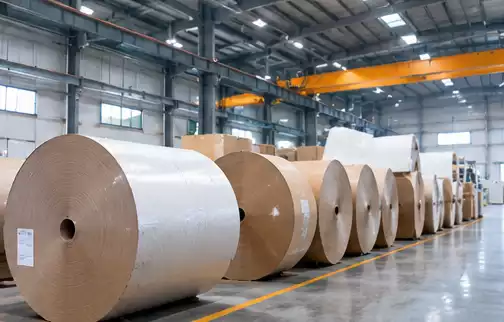
Actual performance depends on several factors:
- Paper grades and flute types: Different material combinations and board specifications can affect running conditions.
- Changeover frequency: Frequent order and flute changes can reduce productive operating time.
- Board quality: Adhesion, flatness, moisture balance, and dimensional consistency affect the amount of saleable output.
- Line balance: The capacity of individual sections must match the requirements of the complete production line.
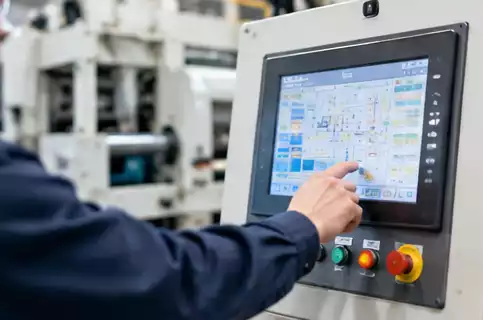
New machinery could provide additional capabilities in terms of automation and process control depending on its construction. This would be advantageous for production facilities that frequently undergo changes or require consistent production.
Used equipment could work effectively if it has been properly maintained and is fit for the product. Prior to purchasing such equipment, ask for a demonstration or a run-test whenever possible and confirm production capabilities according to the paper grades, board types, and working conditions in your plant.
Maintenance and Spare Parts: What to Expect
Maintenance can play an important role in operating costs.
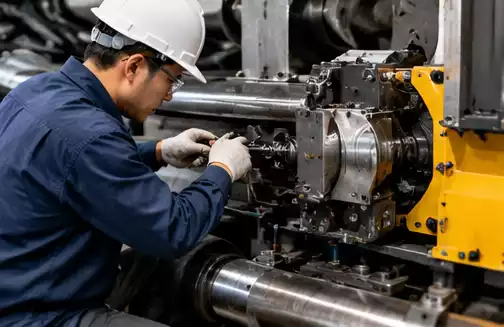
In the case of a new machine, the warranty coverage, suggested maintenance routine, spare parts, and available technical support must be established. The fact that the machine is new does not mean there will be no maintenance required at all, and the warranty coverage cannot be considered full.
With used machines, the state of major mechanical and electrical components must be checked. Based on the particular line type, this list may include corrugating rolls, bearings, drives, belts, cutters, sensors, and the control system.
Before purchasing either option, clarify:
- Which spare parts are included with the equipment?
- Are replacement parts readily available?
- What technical support is provided, and what are the associated costs?
- Are electrical drawings, operating manuals, and maintenance records available?
For older machines, obsolete controls or unavailable components can make repairs more difficult. A professional inspection and a realistic spare parts plan can help reduce unexpected costs.
Installation Time and Factory Requirements
The time required to put equipment into production depends on more than whether it is new or used.
A new line might entail manufacturing, shipping, setup, installation, and training time, depending on the equipment configuration.
Existing equipment could be procured for an earlier availability date; however, disassembly, transportation, assembly, alignment, and compatibility checking time might be involved. Old equipment might also have to undergo modification to conform to the plant layout and to interface with existing utilities and downstream processes.
Before confirming an order, check the following:
- Available factory floor space and equipment layout
- Electrical supply, steam system, and other utility requirements
- Transportation access and unloading arrangements
- Installation and commissioning responsibilities
- Production testing and acceptance criteria
A realistic project schedule should account for these activities rather than rely solely on the machine’s delivery date.
Which Option Is Right for Your Factory?
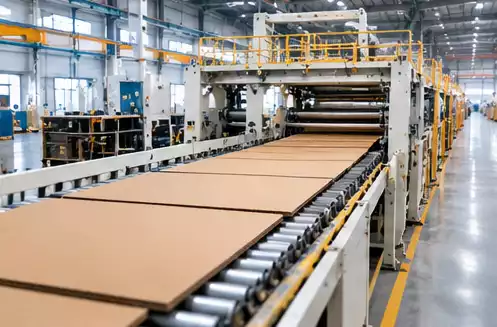
There is no single answer for every manufacturer. The right investment depends on the condition of the equipment, the production requirements, and the factory’s financial position.
A new corrugator line may be more suitable if you:
- Are establishing a new factory and need a coordinated production setup.
- Require specific configurations or plan to expand production capacity.
- Need equipment specifications and acceptance conditions defined for your project.
- Intend to operate the line over a long planning horizon.
Used equipment may be worth considering if you:
- Have a limited initial budget and need to control capital expenditure.
- Have access to reliable inspection and maintenance expertise.
- Can verify the machine’s condition and remaining service potential.
- Have confirmed that its capacity and configuration match your production needs.
The other alternative is the upgrade of an existing production line. When only one section affects production and quality, the solution would be to either replace or upgrade that section rather than buying a whole new production line.
Consider all the alternatives with the same assumptions regarding production levels, hours of operation, maintenance, installation, and period of evaluation.
Make the Right Investment for Your Corrugated Board Production
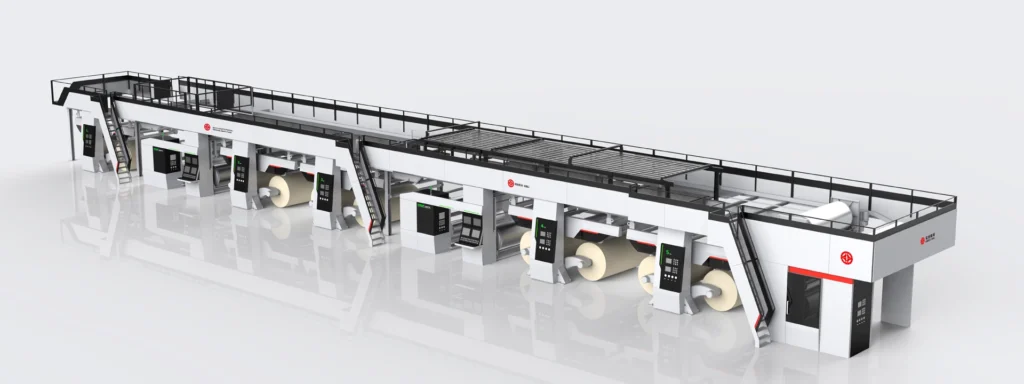
Deciding whether to buy a new or second-hand corrugator line is not just a matter of considering their initial prices. Other considerations include production needs, quality of equipment, costs of installation, maintenance, and future operation.
It is necessary to invest in equipment that will meet the factory’s production needs and provide reliable and sellable products with sustainable operating costs.
If you are planning a new corrugated board factory or looking to upgrade your existing production line, Hsieh Hsu Machinery can help you explore equipment configurations suited to your production requirements. Contact our team to discuss your project and identify a suitable solution for your business.