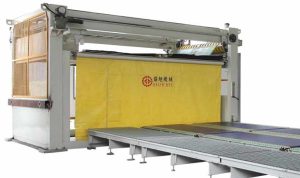
A freshly made pallet of corrugated boards comes out of the machine looking great and then begins to curl at its edges an hour later, creating a blockage in the printer’slotter and causing die-cut registration to be lost and turning great boards into scrap. Warping is among the most frequent and expensive problems with corrugated production and rarely stems from one source. We examine the reasons why board warps, and how to identify which element is causing it and the process and equipment adjustments that will actually correct it.
What Is Corrugated Board Warping
Types of Warping: Cross Warp vs. Machine Direction Warp
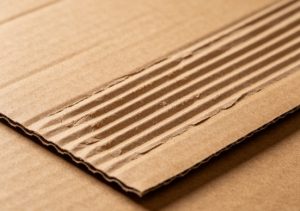
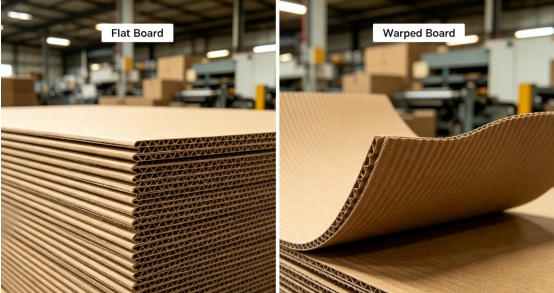
Warping can be seen in a variety of distinct patterns. These include S-warp, where the sheet curves in an S-shape when viewed from the bottom of the sheet; twist or diagonal warp, in which opposite corners rise off flat surfaces; down warp, in which the liner curves are concave on the outside; and up warp, in which the liner curves are convex, and that’s when the middle of the sheet is lifted. Each pattern suggests the root of the issue; this is the reason that finding the type of warp is the very first step to diagnosing.
Why Warping Is a Costly Quality Issue
Warped board is more than a cosmetic defect — it causes feeding problems on converting equipment, creates misregistration in printing, and produces boxes with poor appearance and inconsistent dimensions. The sheet that isn’t able to pass properly through a printer’s slotter can stop a whole processing line, transforming the quality issue into a bottleneck in production.
The Root Cause: Moisture Imbalance Between Liner and Medium
How Uneven Moisture Content Causes Board to Curl
Nearly all warp results from differential moisture content between the components of corrugated board, since paper is hygroscopic and constantly absorbs or releases moisture from the surrounding air. When a difference in moisture content exists between the top and bottom liner boards in the combined board, the liner with lower moisture shrinks at a greater rate than the liner with higher moisture, pulling the board into a cup or warp toward the drier side.
The Role of the Preheater in Moisture Control
Warp is fundamentally caused by a moisture imbalance between the top and bottom liners, and applying heat at the correct stages of the process has become essential to properly cure and dry the bonding agents on the paper surfaces. A preheater that delivers inconsistent or mismatched heat to each liner is often the earliest point in the line where a moisture imbalance gets built into the board.
Temperature Control Issues in the Corrugating Process
Inconsistent Hot Plate / Double Backer Temperature
Optimal warp and heat control depends on adjusting weight roll pressure in response to machine speed, so the combined board experiences essentially constant heat exposure as it passes through the double facer. When the temperature of the hotplate fluctuates or the time for heat exposure is not matched to line speed and the other part of the board will dry quicker over the other.
How Temperature Fluctuation Leads to Uneven Shrinkage
Uneven heat exposure compounds moisture-related warp rather than causing a separate problem — it accelerates drying unevenly across the sheet, widening whatever moisture gap already exists between the liners and the fluted medium.
Tension Control Problems on the Mill Roll Stand
How Uneven Web Tension Creates Warping Stress
Uneven glue application, incorrect preheating settings or mismatched production speeds could result in the boards’ layers shrinking in a different way, which can cause the board to become warped. The inconsistent tension of the web on the feeds to the roll stand causes this same issue further down, causing the liners to be stretched differently before they’re able to be combined.
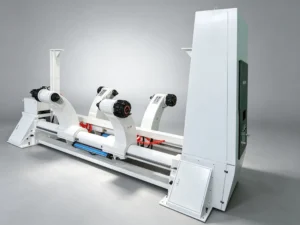
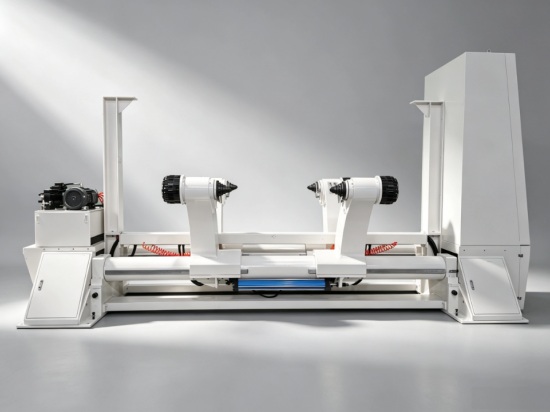
Why Shaftless Mill Roll Stands Improve Tension Consistency
Shaftless hydraulic mill roll stands maintain more stable, controllable tension across the reel than older shaft-driven designs, which reduces one of the mechanical variables that compounds moisture-driven warp into a visible defect.
Glue Application and Adhesive-Related Warping
Excess or Uneven Glue Application
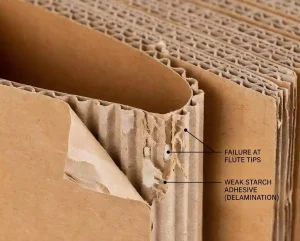
Uneven application of glue is one of the causes that results in each layer of the panel expanding in different ways as it dry. In excess, the adhesive can create localized moisture that is dried at a different speed than the rest of the board, creating small areas of differential shrinkage, which appear as localized warps and edge lift.
How Precision Glue Machines Reduce Warping Risk
Consistent, evenly metered glue application keeps moisture input uniform across the width of the sheet, removing one more variable that can tip an otherwise balanced board into visible warp.
Environmental & Storage Factors After Production
Humidity and Temperature Changes in Storage
Low humidity can cause the paper to shrink and lose moisture and frequent fluctuations in the environment could cause curling, even after the paper has left the production line. The board that was flat when it came off the corrugator could be warped hours later, in the event that storage conditions differ from the environment on the line.
Stacking and Handling Practices That Prevent Post-Production Warp
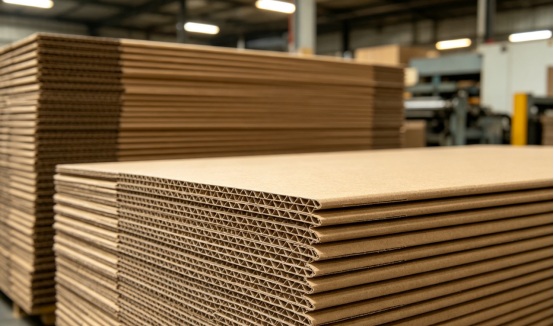
Maintaining stable workshop conditions — generally around 20–25°C and 50–60% relative humidity — along with properly stacking finished boards during cooling, helps prevent deformation and keeps the board flat and dimensionally stable.
How to Diagnose Which Cause Is Behind Your Warping Issue
Simple On-Line Checks: Moisture Meter, Visual Inspection
Place a board on a flat surface and comparing the warp patterns against a reference standard can be an easy floor-level check edges that are lifting off the table indicate upward warps, a raised center signifies a down warp and a turn from corner to corner is a sign of the diagonal or seesaw warp. By combining this visual check with a portable moisture meter for each liner will quickly determine if the problem is caused by the balance of moisture or in other.
When to Suspect Equipment vs. Process Settings
The majority of corrugated problems are traced back to one of four primary problems: moisture imbalance, issues with temperature or adhesive application issues or mechanical misalignment, and determining which category the defect falls in will be the very first step toward finding the root of the problem. If warp is constant and repeatable over the same speed and setting it is likely to be a process parameter. If it fluctuates unpredictably, an issue with mechanical wear, or also a misalignment inside the roll stand, preheater or double backer are worth looking into.
Cassette Single Facer vs. Traditional Single FacSolutions: Equipment Upgrades and Process Adjustments
Optimizing Preheater and Hot Plate Performance
Calibrating preheater zones to deliver even, matched heat to both liners closes the moisture gap before it ever reaches the double backer, addressing warp at its most common origin point.
Upgrading to Shaftless Hydraulic Mill Roll Stands for Stable Tension
Removing old shaft-driven stand-by shaftless hydraulic mill roll stands will improve the uniformity of tension throughout the roll, which reduces the mechanical strain that can turn the slight moisture imbalance into a visible curl.
Precision Glue Control Systems
Upgrading to a glue machine with tighter metering control keeps adhesive moisture input consistent across the sheet width, eliminating localized shrinkage zones caused by uneven application.
Intelligent Process Control for Consistent Line Speed and Temperature
Full-process intelligent control systems that automatically adjust speed and heat exposure in real time — rather than relying on manual operator adjustment — keep warp-inducing variables within a tighter, more repeatable range across an entire production run.
Preventive Maintenance Checklist to Avoid Future Warping
Daily/Weekly Checks for Moisture, Temperature, and Tension
Routine moisture meter checks on incoming liner rolls, preheater temperature logs, and tension monitoring at the mill roll stand catch drift before it produces scrap.
When to Consider a Production Line Upgrade
If warp issues persist despite consistent process settings, aging equipment — particularly older roll stands, preheaters, or glue systems that can no longer hold tight tolerances — is often the underlying cause worth addressing directly.
Corrugated board warping is almost never caused by one isolated factor — it’s the compounding result of moisture imbalance, temperature inconsistency, uneven tension, and glue application working together across the production line. Diagnosing which factor is dominant, then addressing it at the source — whether that’s preheater calibration, a roll stand upgrade, or tighter glue control — is what actually resolves the problem rather than masking it. If warping is affecting your production line and you’re evaluating whether the issue is a process setting or an equipment limitation, Hsieh Hsu’s engineering team can review your line configuration and recommend the right upgrade path — contact us for a production line assessment.