Why do two corrugators of the same paper give such different results? In many plants, the answer is steam. The starch bond, the board’s flatness, the queue’s pace, all governed quietly by steam pressure. Then we discuss how steam pressure works, how it affects quality and speed and how to keep it consistent, so your line runs faster without sacrificing board performance.
Why Steam Matters in Corrugated Board Production
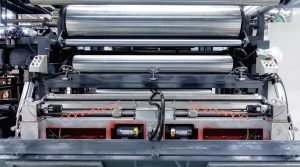
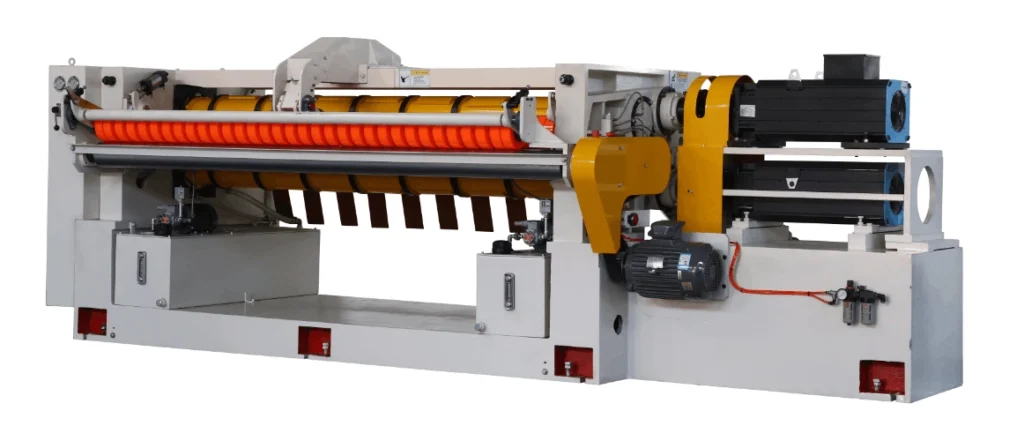
A corrugator is essentially a long heat transfer machine. Steam is used to heat the corrugating rolls in the single facer, the pre heaters that condition the paper, and the hot plates in the double backer. Heat is used at each stage for different purposes, softening the medium to form flutes, activating the adhesive, and drying the finished board.
Of these jobs, bonding is most significant. Corrugating adhesive is starch based and starch only makes a strong bond once it gelatinises. The general starch science literature says that for most starches this happens at about 60-72°C. Steam provides the energy to get to that temperature at the glue line in less than a second.
It is a good idea to distinguish between two terms that tend to get confused. Steam pressure and steam temperature and pressure are directly related. The temperature is what the paper sees; the pressure is what you control at the valve. As pressure goes down, temperature goes down. This is the reason why pressure is the practical lever to control heat all along the line.
How Steam Pressure Affects Corrugated Board Quality
Three common quality problems of steam are: insufficient heat, excessive heat and unstable heat.
If the pressure is too low, the glue line never gets enough energy to fully gelatinise. This results in weak bonding and peel away flute tips from the liner or layers within the stack. This kind of delamination usually shows up hours later in converting, making it harder to trace back to the corrugator.
If the pressure is too great, the paper gets damaged. Overheated liners lose too much water and become dry brittle. Fibres dry out and shrink, decreasing crush resistance and may decrease burst and edge crush performance. Too much heat can also cause the starch to skin over before it penetrates the paper which creates a bond that looks fine but fails under load.
Unstable pressure may be the worst of the three, leading to inconsistency. Warp due to differential moisture Differential moisture due to uneven heating across the web . Board that leaves the line with uneven moisture will curl in storage or bind on the die-cutter or folder-gluer. The final board is mostly aimed at a moisture content of ~6-9% so there is not much scope for variation in heating.
The key thing is that “more heat” is not a fix. Quality is a function of the proper amount of heat applied consistently and matched to paper grade and basis weight.aleable board over the same time period. It is possible that a machine that produces less waste and less downtime can provide greater value despite its higher upfront cost.
How Steam Pressure Affects Production Speed
The speed is limited by how fast the heat can move into the paper and glue line. The faster the web moves, the less time each section of board spends on the hot plates, so the heat has to be delivered more intensely. This is more difficult with heavier liners and fluting, which carry more mass that needs to be heated through.
If the steam supply can’t keep up, operators have one sure recourse: slowing the line down. That is why many plants find that they rarely reach their theoretical maximum speed. The machine is capable, but the steam system is the real bottleneck. Common causes are a boiler that is too small, too much pressure drop down long runs of pipe, and wet steam that picks up condensate instead of usable heat.
Pressure swings lead to another loss: surprise downtime. If the pressure drops during a ramp up in speed or when the grade changes, the quality sensors flag alarms. The crew then eases off or stops so the product stays within spec. Even short pauses stack up fast and can cut a lot of output in one shift.
The practical aim is balance. Running too conservatively wastes capacity, and running faster than the steam system can handle produces scrap. Plants which profile their steam demand by grade and sp eed are usually able to find a stable operating window that increases throughput without increasing rejects.
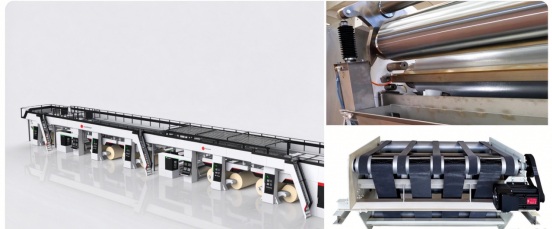
Common Steam-Related Problems and How to Diagnose Them
When quality or speed problems appear, a quick symptom check can point you toward the steam system before you start adjusting glue or paper.
| Symptom | Likely steam-related cause | Where to check first |
| Delamination or weak bond | Low pressure or cold hot plates | Supply pressure, plate surface temperature |
| Warp or curl | Uneven heating or pressure swings | Zone pressures, condensate removal |
| Speed limited | Insufficient steam volume | Boiler load, pipe pressure drop |
| Brittle board | Overheating | Pressure setpoints, preheater wrap |
Condensate is one cause that merits special mention. Hot plates and rolls that do not drain properly become filled with water which reduces the surface temperature and creates cold spots. Faulty steam traps are a common cause. Steam system guidance from the U.S. Department of Energy estimates that plants without a regular trap maintenance program could have up to 30% failed traps, wasting steam and disrupting heat delivery.
Best Practices for Optimizing Steam Pressure
Don’t get tied to one static value, but set your pressure targets by grade of paper and line speed. Normal pressure setting for corrugating rolls is 10 to 13 bar (145 to 190 psi). Your machine and your raw paper will dictate your ideal settings, so check recommended parameters with your equipment vendor, and record settings for each production recipe.
Good pressure regulation is also essential. Automated control valves and dependable sensors make the steam supply stable under changing load, and work much better than the manual tweaking. Add zone level monitoring to identify issues before they affect final board quality.
Control of performance is also important in maintenance. Regularly check steam traps. Keep pipes and valves insulated. DOE data indicate that insulating exposed steam surfaces can cut heat loss by up to 90%, sending more boiler energy to the paper. Repair steam leaks promptly. One little leak wastes a great deal of steam in the course of a year.”
Finally, train line operators on early warning signs such as slowly decreasing plate temperatures, inconsistent board moisture or frequent unplanned line speed reductions. Most common practice is detection of steam system irregularities by experienced operators first.
Modern Corrugator Design: Enhancing Steam Efficiency
If the equipment is designed correctly, controlling steam can be much easier. Modern corrugators employ more uniform hot plate designs, better zone control and improved condensate handling to provide even heat across the web. Some also recover heat from condensate or flash steam and therefore use less fuel. When considering a new line, or an upgrade, ask suppliers how they handle steam distribution in their design, not just how fast the machine can run. Manufacturers such as Hsieh Hsu Machinery design the corrugated equipment with these production demands in mind.